


Introduction
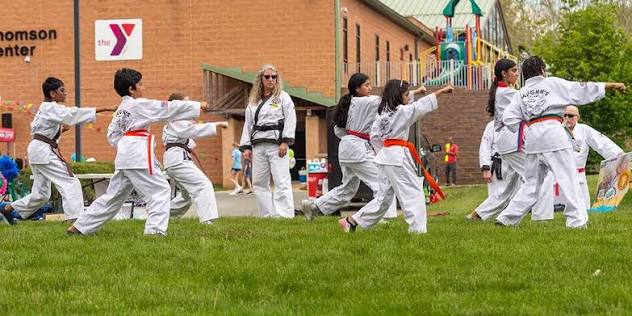
The teenage years are an important time for building habits, discovering personal strengths, and learning how to handle new challenges. Schoolwork, friendships, family responsibilities, and social pressures can sometimes feel overwhelming. Teens need healthy activities that help them stay active, manage emotions, and develop skills they can use throughout life. Martial arts offers a structured and engaging way to support this growth while teaching respect, responsibility, focus, and perseverance. For families exploring Teens martial arts classes in Plainfield, martial arts training can be a valuable step toward helping young people become more confident and independent.
At SUDA International, martial arts represents more than learning physical techniques. It can provide an opportunity for teens to challenge themselves, practice self-control, and work toward meaningful goals. Through regular training, students learn that progress comes from patience, effort, and a willingness to improve. Whether a teenager is naturally outgoing or needs encouragement to step outside their comfort zone, a supportive martial arts environment can help them discover their abilities. With guidance from qualified instructors and a focus on personal development, martial arts can help teens build a stronger foundation for success at school, at home, and in their future careers.
Building Self-Discipline Through Consistent Martial Arts Training
Self-discipline helps teenagers make thoughtful choices, follow through on responsibilities, and stay focused even when something feels difficult. Martial arts classes encourage these habits through structured lessons, clear expectations, and regular practice. Students learn to listen carefully, follow instructions, respect training partners, and repeat techniques until they improve. These activities show teens that meaningful results rarely happen overnight. Instead, progress comes from small, consistent efforts. By attending classes and practicing skills over time, students can develop a stronger sense of responsibility and learn to take ownership of their improvement.
The lessons learned during martial arts training can also support everyday routines. A teenager who becomes more comfortable following a training schedule may find it easier to plan homework, prepare for exams, or manage other commitments. Martial arts also teaches the importance of controlling reactions rather than acting on every emotion. When a technique does not work or a new challenge feels frustrating, students have an opportunity to pause, listen, and try again. These experiences can encourage patience and resilience. For parents considering Teens martial arts classes in Plainfield, the value extends beyond the training floor because self-discipline is a skill teens can continue developing throughout their lives.
Developing Confidence and a Positive Self-Image
Confidence grows when teenagers recognize their strengths and understand that mistakes are part of learning. Martial arts gives students opportunities to experience progress in a clear and practical way. They may begin by learning basic movements, improving balance, or remembering a sequence of techniques. As their skills develop, they can take on new challenges and see the results of their effort. This gradual process can help teens feel more capable, especially when they learn to measure success by personal improvement rather than comparing themselves with others. A welcoming class environment can further support confidence by encouraging students to learn at a suitable pace.
Martial arts can also help teenagers become more comfortable trying unfamiliar activities. Some students may initially feel nervous about joining a class, practicing with new partners, or performing a technique in front of others. With patient instruction and regular participation, these situations can become easier to manage. Students can learn to accept constructive feedback, recognize their achievements, and respond to setbacks with a healthier mindset. At SUDA International, families can explore how a structured martial arts program may support personal growth alongside physical training. Although every teen develops at a different pace, consistent encouragement can help students build confidence that reaches beyond the dojo and into school, social activities, and other areas of life.
Learning Leadership, Respect, and Responsibility
Leadership is not simply about being the loudest person in a group or telling others what to do. Strong leaders listen, communicate clearly, show respect, and take responsibility for their actions. Martial arts training can introduce these qualities through partner exercises, group activities, shared rules, and opportunities to support classmates. Teens learn that their behavior affects the people around them. When they take turns, follow instructions, and help maintain a positive learning environment, they begin to understand how cooperation and accountability contribute to a successful team.
As students gain experience, they may have opportunities to demonstrate techniques, encourage newer classmates, or take on additional responsibilities when appropriate. These experiences can help them practice speaking clearly, offering support, and leading by example. Martial arts also reinforces respect for instructors, training partners, and individual differences. Students learn that strength should be balanced with good judgment and self-control. These lessons can be useful during group projects, sports, family activities, and future workplace experiences. For teens who want to develop stronger communication and teamwork skills, martial arts offers a practical setting in which leadership can be practiced through everyday actions rather than discussed only in theory.
Improving Physical Fitness, Focus, and Emotional Control
Regular physical activity plays an important role in teenage health and well-being. Martial arts classes often combine movement drills, coordination exercises, balance practice, and technique training to help students develop strength, flexibility, endurance, and body awareness. The exact physical benefits depend on the style of martial arts, class structure, and individual effort. For teens who spend long periods sitting in classrooms or using screens, a structured training session can provide an enjoyable way to move, build healthy habits, and engage with other students in person. Instructors should adapt activities to each student’s experience and ability while emphasizing safe technique and appropriate progression.
Martial arts can also encourage better attention and emotional awareness. Students must watch demonstrations, remember instructions, and coordinate their movements, which gives them regular opportunities to practice concentration. When exercises become challenging, they can learn to recognize frustration and respond calmly instead of giving up immediately. These habits may help teens approach stressful situations with greater patience, although martial arts is not a substitute for professional support when a young person needs help with emotional or mental health concerns. A well-run class should promote safety, respectful communication, and controlled practice. Together, physical activity and structured learning can help teens develop skills that support a balanced lifestyle and a more thoughtful approach to everyday challenges.
Choosing the Right Teens Martial Arts Classes in Plainfield
Finding a suitable martial arts program involves more than checking the class schedule or choosing a style. Parents and teens should look for qualified instructors, a clean training space, clear safety rules, and a welcoming atmosphere. A good program should recognize that students have different goals, personalities, and levels of experience. Some teens may want to improve fitness, while others may be interested in confidence, discipline, self-defense awareness, or leadership development. Before enrolling, families can ask how classes are structured, how instructors manage different skill levels, what protective equipment is needed, and how progress is measured. A trial class, when available, can help a teenager decide whether the teaching style and group environment feel comfortable.
For families researching Teens martial arts classes in Plainfield, SUDA International is a relevant starting point for exploring martial arts opportunities that support personal development. It is worth discussing your teenager’s goals with the program and asking how its instruction addresses respect, safe training, physical development, and individual progress. Parents should also consider class times, travel distance, costs, and whether the schedule fits around school and family commitments. The best fit is one that encourages consistent attendance without creating unnecessary pressure. When teens feel supported and understand what they are working toward, they are more likely to stay engaged, learn from challenges, and build lasting habits through their training experience.
Conclusion
Martial arts can give teenagers much more than an opportunity to learn kicks, punches, or defensive movements. With consistent practice and supportive instruction, it can help them develop self-discipline, strengthen confidence, improve physical fitness, and understand the value of leadership. Students learn to work toward goals, respect others, manage frustration, and recognize that progress takes time. These lessons can support their growth in school, friendships, family life, and future responsibilities. While each teenager’s experience will be different, a positive training environment can create meaningful opportunities for personal development.
For families exploring Teens martial arts classes in Plainfield, choosing a program that prioritizes safety, respect, and individual growth is an important first step. SUDA International can be a starting point for learning more about martial arts and the skills students may develop through regular training. By finding a class that matches a teenager’s needs and interests, parents can help them build a healthy activity into their routine. Over time, the combination of physical practice, personal responsibility, and encouragement can help teens become more focused, capable, and prepared to face new challenges with confidence.
