


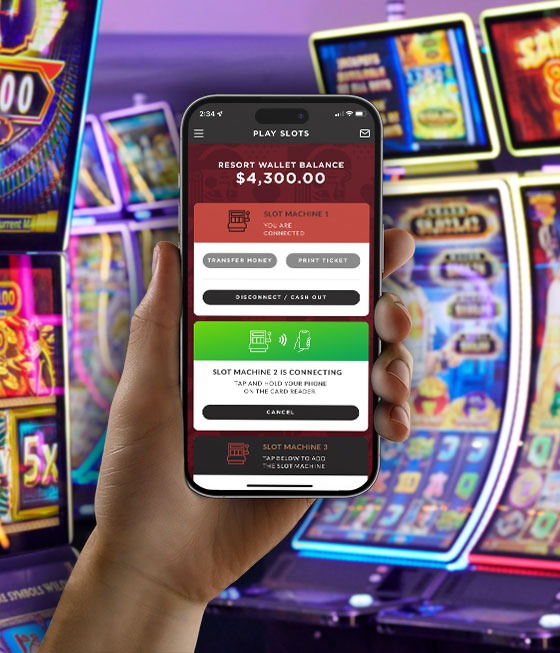
Not long ago, online casinos still felt tied to desktops. Players opened laptops, waited for heavy websites to load, clicked through cluttered menus, and tolerated slow interfaces because there weren’t many alternatives. Mobile versions existed, technically, but most of them were frustrating enough to abandon after five minutes.
That changed fast. Now the industry practically revolves around smartphones. For a growing number of users, mobile isn’t the second option anymore. It’s the main one. People place bets while commuting, spin slots during lunch breaks, watch live tables from cafés, or switch between games while lying in bed half-awake at midnight. The behavior itself changed the market.
And naturally, competition exploded. The platforms leading the space today understand one thing very clearly: users leave immediately if an app feels outdated or clumsy. Speed matters. Design matters. Stability matters. Even small details matter more than casino operators used to think.
That’s partly why platforms connected to the tamashabet casino app model and similar mobile-first ecosystems continue attracting attention. Players expect smooth navigation, fast loading times, reliable payment systems, and interfaces that actually feel designed for phones instead of squeezed awkwardly onto smaller screens. The difference is obvious within minutes.
Mobile Users Became Less Patient
Casino apps compete in one of the harshest digital environments possible because users have endless alternatives sitting one tap away.
A slow-loading app? Deleted.
Confusing registration process? Closed immediately.
Lag during live games? Most players won’t even complain. They simply leave.
That shift forced casino platforms to rethink almost everything over the last few years. Developers who treated mobile apps as secondary products quietly disappeared behind competitors focused entirely on smartphone experiences.
And honestly, users notice quality faster than companies assume.
An app doesn’t need flashy graphics to feel premium. Usually it comes down to responsiveness. Clean menus. Logical layouts. Payments that work without drama. Small technical details shape trust more than giant marketing campaigns.
The Best Apps Feel Invisible
That sounds strange at first, but it’s true.
The strongest casino apps rarely overwhelm users with complexity. They remove friction instead. People open the app, find what they need instantly, and continue playing without fighting the interface every few seconds.
There’s a reason market leaders invest heavily in usability testing now.
Modern players expect:
- fast login systems
- stable live streaming
- smooth deposits and withdrawals
- optimized mobile layouts
- quick-loading game libraries
- reliable notifications without spam
If any of those pieces fail consistently, retention drops fast.
Some casino operators learned this the hard way during the mobile boom. Fancy promotions attracted downloads initially, but weak app performance pushed users elsewhere almost immediately.
In mobile gambling, convenience became part of the product itself.
Live Casino Features Changed Everything
A major turning point for mobile casino apps came with live dealer technology improving enough to work smoothly on smartphones.
A few years ago, mobile live tables felt unreliable. Video lagged. Interfaces froze. Internet stability became a constant problem. Many players avoided the feature entirely because the experience felt unfinished.
Today it’s different.
Top casino applications stream live blackjack, roulette, baccarat, and poker directly to mobile devices with surprisingly little friction. Better internet infrastructure helped, obviously, but app optimization mattered too.
Now players expect real-time interaction without technical interruptions. They want to rotate screens naturally, place bets instantly, and move between tables without delays.
Apps unable to deliver that experience struggle to compete.
Simplicity Beats Overdesign
One interesting trend in casino apps is the move away from overloaded interfaces.
Older platforms often tried to cram every promotion, tournament, jackpot banner, and game category onto the home screen simultaneously. The result usually looked chaotic, especially on mobile devices.
The newer generation of successful apps feels calmer.
Cleaner navigation. Better spacing. Smarter menus. Less visual noise.
Ironically, stripping unnecessary elements away often makes apps feel more modern and trustworthy. Users don’t want to search endlessly for payment settings or game categories hidden under layers of clutter.
People came to play, not solve navigation puzzles.
Payment Speed Became a Competitive Weapon
Casino users talk about bonuses constantly, but payment speed shapes reputation far more than operators admit publicly.
An app can look beautiful and still lose players if withdrawals become slow or complicated.
That’s why many leading mobile casino platforms now prioritize streamlined payment systems. Faster verification processes, mobile wallet compatibility, instant notifications, simplified transaction histories. All of it matters because users judge platforms heavily during withdrawal moments.
Especially experienced players.
Nothing damages trust faster than delayed payouts combined with poor communication.
On the other hand, smooth withdrawals quietly build long-term loyalty without needing aggressive marketing slogans.
Security Became More Visible
Casino apps now store enormous amounts of sensitive information. Payment details, transaction histories, identity verification documents, device data, login credentials. Users may not think about it daily, but security influences platform reputation heavily behind the scenes.
And security failures spread online very quickly.
Modern casino applications increasingly emphasize:
- encrypted payment systems
- two-factor authentication
- secure login verification
- anti-fraud monitoring
- safer account recovery tools
Not because security suddenly became trendy, but because mobile users have become more cautious after years of phishing scams and fake gambling apps circulating online.
A polished app alone no longer guarantees trust.
Localization Matters More Than People Realize
Another reason certain casino apps rise faster in specific markets comes down to localization.
The strongest platforms adapt to regional preferences instead of forcing identical experiences everywhere. Language support matters, obviously, but payment methods, customer service style, promotional structures, and even game popularity vary heavily between regions.
Some users prefer sports betting integration. Others focus almost entirely on live casino tables or slots. Certain countries rely more on digital wallets, while others still favor bank transfers.
The apps leading the market usually understand local behavior surprisingly well.
That attention to detail creates loyalty competitors struggle to copy quickly.
Push Notifications Can Either Help or Ruin the Experience
This part gets overlooked often.
Smart notifications improve retention when used carefully. Reminders about tournaments, payout confirmations, favorite games, or account activity can feel genuinely useful.
But excessive notifications destroy user trust fast.
Nobody wants a casino app buzzing nonstop with fake urgency every hour. The best platforms understand moderation. They know users open apps willingly when the experience itself feels good.
Desperation marketing usually pushes people away eventually.
App Stability Is More Important Than Marketing
Some casino brands spend massive budgets attracting downloads while neglecting technical quality underneath the surface.
Users notice.
Crashes during live betting sessions, frozen screens, failed deposits, or broken updates create frustration that no promotional campaign fixes afterward. In mobile gambling especially, reliability becomes part of brand identity.
People remember bad technical experiences longer than operators expect.
And because switching platforms takes seconds now, users rarely stay loyal to unstable apps for very long.
Final Thoughts
The mobile casino market became brutally competitive because user expectations changed faster than many operators anticipated. Players no longer tolerate slow interfaces, unreliable payments, cluttered layouts, or weak optimization simply because a platform offers games.
They expect polished mobile experiences from the start.
The casino applications leading the market today succeed for fairly practical reasons: speed, simplicity, security, reliable performance, and interfaces that genuinely fit modern smartphone behavior. Not every successful app needs extravagant features. Most just need to work smoothly without frustrating users every few minutes.
And honestly, that’s harder to achieve than flashy advertising campaigns make it look.