


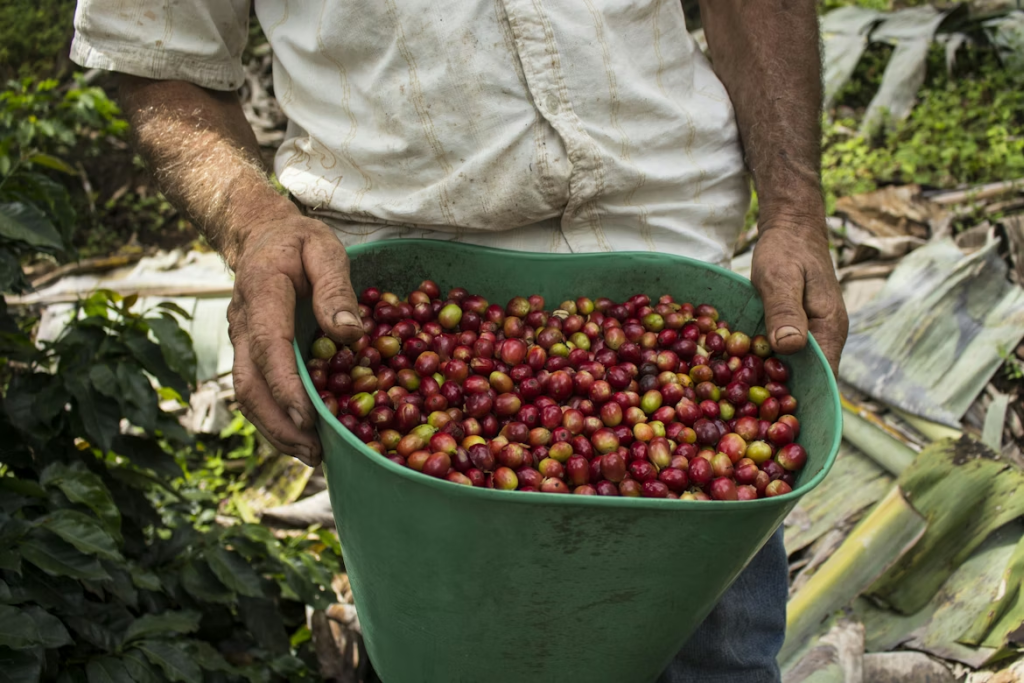
The Australians love their coffee and a good quality coffee is not hard to find in the land down under. Whether it is in the laneways of Melbourne or in the coffee shops by the sea, Australians love their flat white coffee. However, what many coffee lovers are unaware of is that coffee is a product that depends upon a supply chain that is heavily influenced by farming practices that have a considerable influence on the environment and millions of workers involved in the coffee supply chain.
Ethical coffee is going to be the next big thing for coffee lovers who want to make a positive influence on the world. Coffee lovers who want to make a positive influence on the world should be aware of the coffee supply chain.
The Environmental Damage of Traditional Coffee Production
The coffee supply chain is one of the most damaging farming practices in the world. In traditional coffee production, millions of trees are cut down to allow for sun-grown coffee farms. Cutting down trees is one of the most damaging things that can be done to an ecosystem. Once the trees are cut down, the ecosystem is destroyed and the coffee farms are subject to a high rate of erosion. In addition, coffee farmers also use a high rate of fertilisers and pesticides to increase their coffee supply. However, this eventually seeps into the water supply and destroys the ecosystem.
Sustainable coffee farming practices are very different. The sustainable coffee farming practices include the shade-grown coffee farming practice. Under this practice, the coffee plants are planted in the canopy of the trees. The canopy serves as a habitat for the local birds, which act as the pest control for the coffee plants. The canopy also serves to conserve the water table, which in turn ensures that less water is used in the growing of the coffee plants.
The coffee plants are able to replicate the real environment, thus protecting the environment while at the same time ensuring that the land remains fertile for generations to come.
Decoding Common Coffee Certifications
It can be quite daunting for coffee lovers to select the right coffee in the aisle or at a coffee shop. However, coffee lovers can now buy international and Australian coffee beans that have been certified to have been produced in a socially responsible manner.
Fair Trade
The Fair Trade coffee certification ensures the social and economic welfare of the farmers. When a coffee lover buys a pack of coffee with the Fair Trade certification, they are guaranteed that the coffee they are consuming has been produced in a socially responsible manner. This ensures that the coffee farmer has been fairly compensated for the coffee crop they have produced. It also ensures that a part of the money spent in consuming the coffee goes to the community development fund of the coffee farmer.
Direct Trade
The Direct Trade coffee certification ensures that the coffee beans are directly procured from the coffee farmer by the coffee roaster. This ensures that the coffee farmer is fairly compensated for the coffee crop they have produced, based on the quality of the coffee they have produced. It also ensures that the coffee farmer and the coffee roaster work together to ensure the development of sustainable coffee farms year in and year out.
Organic
Organic certification guarantees that the coffee beans that have been produced do not make use of any chemicals such as fertilisers and pesticides in the farming of the crops. Instead, they make use of organic matter to ensure that the plants are well nourished. Organic coffee guarantees that the water table of the farmers remains pure and that the health of the coffee workers is not affected by any of the chemicals that they may come across in the course of their work.
Brewing a Greener Future
The future of world coffee production is completely dependent on this shift towards an eco-friendly and ethical production. When climate change is threatening traditional coffee-producing regions around the world, this is perhaps the only way we can save this industry.
Every time you purchase a cup of ethical coffee, you are essentially voting for a better world. When you next visit your favourite local roaster or look at the various options available in your supermarket, take a look at these labels. Your cup of coffee every morning can make a big difference to hardworking farming communities around the world!
