


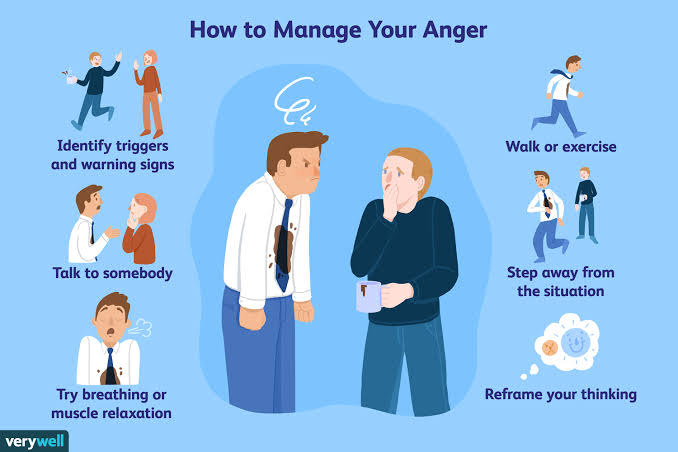
Anger is a normal human emotion, but when it becomes difficult to control or begins affecting relationships, work, or personal wellbeing, it may indicate a need for additional support. Frequent frustration, emotional outbursts, or ongoing conflict can place significant strain on many aspects of daily life. Fortunately, anger management counselling offers practical strategies that help individuals better understand their emotions and develop healthier ways to respond to challenging situations.
Rather than focusing on suppressing anger, counselling aims to identify its underlying causes and build long-term emotional regulation skills that support healthier relationships and improved wellbeing.
Understanding Anger Beyond The Surface
Anger is often a reaction to deeper emotions such as stress, disappointment, fear, anxiety, grief, or feeling misunderstood. While occasional anger is a natural response, repeated or intense reactions may indicate that underlying emotional concerns need attention.
Through professional support, individuals can explore the situations, thoughts, and experiences that trigger anger while learning healthier coping mechanisms.
Recognising these patterns is often the first step towards meaningful change.
Improving Emotional Awareness
Many people react automatically when they become angry without recognising the early warning signs.
Anger management counselling helps individuals identify physical, emotional, and behavioural signals that appear before anger escalates. Increased awareness allows people to pause, reflect, and choose more constructive responses rather than reacting impulsively.
Over time, this self-awareness can improve confidence in managing difficult emotions.
Building Healthier Communication Skills
Communication difficulties frequently contribute to conflict in personal and professional relationships. Anger may lead to shouting, criticism, withdrawal, or defensive behaviour, making it harder to resolve disagreements effectively.
People who access counselling services for anger management often learn practical communication techniques such as active listening, assertive expression, and conflict resolution strategies that encourage calmer and more respectful conversations.
Better communication can strengthen trust and reduce unnecessary conflict.
Reducing Stress In Everyday Life
Chronic stress is a common factor that can increase irritability and emotional reactivity. Work pressures, financial concerns, family responsibilities, and ongoing life challenges may all contribute to heightened frustration.
Counselling often incorporates stress management techniques such as relaxation exercises, mindfulness, breathing strategies, and problem-solving skills to help individuals manage daily pressures more effectively.
Lower stress levels often support better emotional regulation.
Strengthening Personal Relationships
Uncontrolled anger can affect relationships with partners, family members, friends, and colleagues. Repeated arguments or emotional outbursts may damage trust and create ongoing tension.
By learning healthier ways to manage emotions and communicate during difficult situations, individuals can improve relationship quality and rebuild stronger connections over time.
Healthy relationships are often supported by consistent emotional awareness and mutual respect.
Supporting Mental Wellbeing
Persistent anger may sometimes occur alongside other emotional challenges such as anxiety, depression, trauma, or prolonged stress.
Counselling provides a safe and confidential environment to explore these broader concerns while developing strategies that support overall mental wellbeing.
Addressing underlying emotional issues may contribute to more lasting improvements than focusing on anger alone.
Developing Long-Term Coping Strategies
Effective anger management is not about avoiding emotions but learning how to respond constructively when they arise.
Counsellors may work with individuals to develop personalised coping techniques that suit their daily lives, helping them navigate future challenges with greater resilience and emotional control.
These practical skills can continue benefiting individuals long after counselling has concluded.
Improving Confidence At Work
Anger that affects workplace interactions may influence teamwork, communication, productivity, and career progression.
Learning emotional regulation skills can help individuals manage pressure more calmly, respond professionally to conflict, and build stronger working relationships with colleagues and clients.
Improved workplace communication often contributes to greater professional confidence.
Seeking Support Early Can Make A Difference
Many people wait until anger has significantly affected their relationships or daily life before seeking professional help. However, early intervention often makes it easier to identify patterns, develop coping strategies, and prevent ongoing difficulties from becoming more complex.
Seeking counselling is a proactive step towards improving emotional wellbeing rather than a sign of weakness.
Helpful Related Mental Wellbeing Topics
Individuals may also find it helpful to explore stress management techniques for everyday life and healthy communication skills for stronger relationships, as these topics complement anger management by supporting emotional resilience and positive interpersonal connections.
Final Thoughts
Anger management counselling provides practical tools that help individuals understand their emotions, strengthen communication, and respond to challenging situations in healthier ways. By improving emotional awareness, reducing stress, and developing constructive coping strategies, counselling can positively influence relationships, work performance, and overall quality of life.
With the right support, many people find they are better equipped to manage difficult emotions, build stronger connections with others, and approach everyday challenges with greater confidence and emotional balance.