


Luxury watch brands attract attention for many reasons, from mechanical craftsmanship to the confidence of wearing something beautifully designed. Yet a recognizable name is only one part of a watch’s appeal. The proportions of the case, the clarity of the dial, and the pleasure of wearing it throughout an ordinary day can matter just as much.
Independent watchmakers bring a different perspective to this conversation. Their appeal often begins with a specific idea: an unconventional way to display time, a travel complication in an elegant case, or a practical watch with a distinctive visual identity. For buyers who value individuality, these details create an interesting alternative to choosing by reputation alone.
Understanding microbrands requires looking beyond their size. A small company does not automatically produce an exceptional watch, just as an established name does not guarantee the right fit for every wearer. The strongest choices connect thoughtful design with useful engineering and a clear understanding of daily life.
What Makes a Watch Feel Luxurious?
Luxury becomes meaningful when a watch rewards attention over time. An attractive photograph can introduce a design, but lasting satisfaction depends on how the object works and feels.
Consider the moment of setting the time. Is the crown easy to grip? Are the hands clearly distinguishable? Does the watch sit securely without requiring an overly tight strap? These small interactions influence ownership more consistently than a dramatic product description.
Finishing also contributes to the experience. A brushed surface should have a deliberate texture, while polished sections should complement the case rather than overwhelm it. Markers, hands, and dial details should feel visually connected.
When comparing luxury watch brands, it helps to think of luxury as a combination of qualities:
- A design with a recognizable point of view.
- Materials appropriate to the watch’s purpose.
- Comfortable proportions and thoughtful construction.
- Clear, practical timekeeping.
- An ownership experience that supports continued use.
This approach gives independent watchmakers room to demonstrate value through the product itself.
Microbrands and the Importance of Original Design
Originality does not require abandoning every familiar watchmaking convention. Round cases, traditional hands, and restrained dials can still produce distinctive results. What matters is how those elements come together.
A watch feels coherent when its details support the same idea. The shape of the hands should suit the markers. The case should match the intended character of the dial. A strap or bracelet should complete the design while keeping the watch comfortable.
Problems arise when visual features compete without a clear purpose. An elaborate dial, oversized case, and decorative complication may each attract attention separately, yet create an awkward whole.
The most interesting independent designs give the wearer something specific to appreciate. That might be a subtle color combination, an unusual display, or the way a familiar function fits into an unexpected style. Such choices make a watch memorable without depending entirely on a logo.
Different Watches, Different Expressions of Character
The variety within independent watchmaking becomes clearer through several distinct examples.
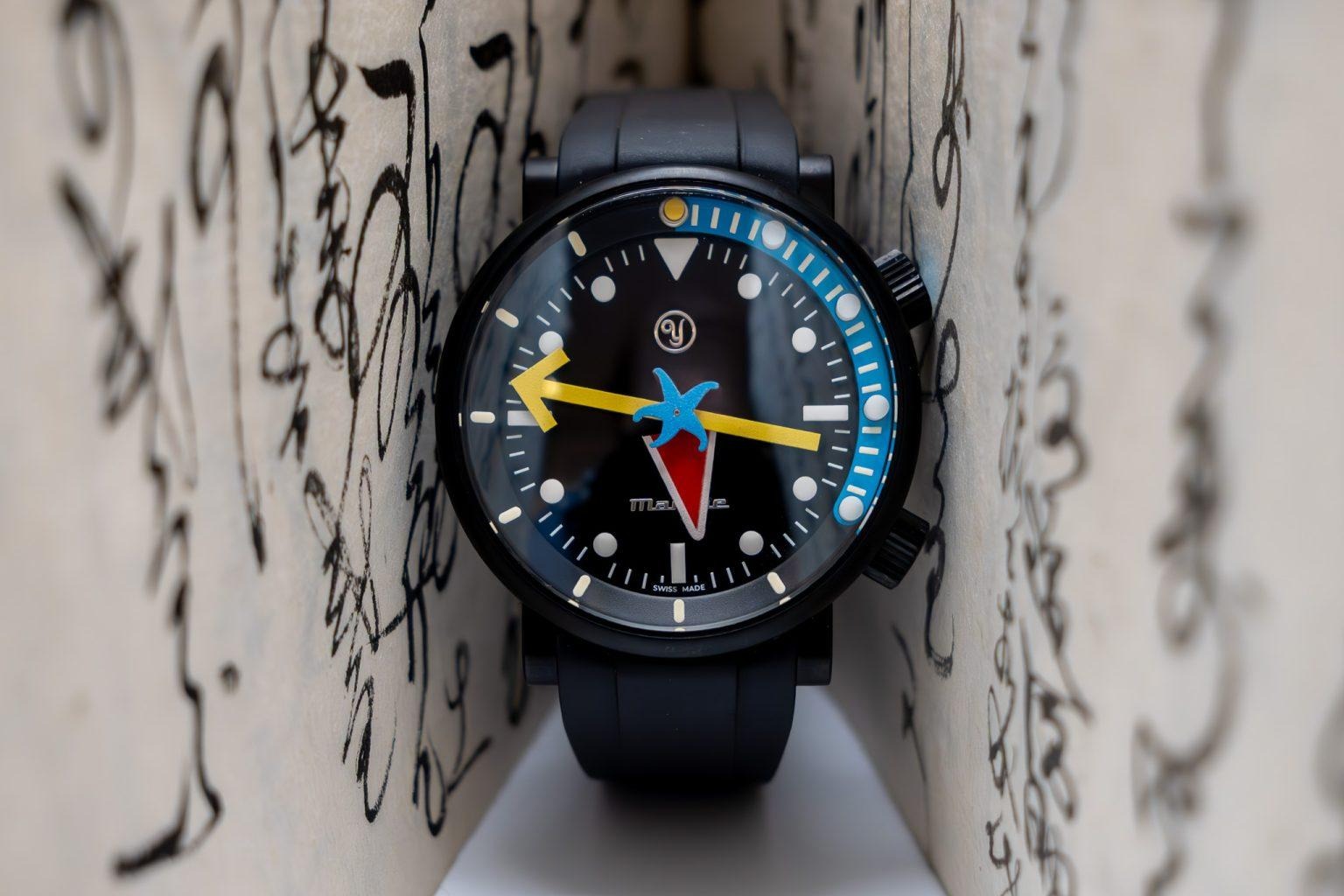
The YEMA x Alain Silberstein Limited Edition combines bold geometric hands with a titanium case and a micro-rotor movement. SpaceOne’s WorldTimer takes another direction, using rotating discs to create an unconventional time display.
Héron’s Mirabel GMT brings a travel function into a restrained dress-watch format. Pantor’s Sealion emphasizes the practical character of a diver, while Verdure’s Estuary explores a quieter coastal aesthetic. Serica’s 6190-3 Field Chronometer pairs a compact field-watch identity with chronometer certification.
Together, these approaches illustrate how varied the conversation around luxury watch brands can become. The appeal is not a single shared aesthetic, but the opportunity to choose a watch whose character matches the wearer.
Useful Complications Begin With Real Needs
A complication should earn its place on the dial. Additional information can improve a watch, but only when the owner understands it and has a reason to use it.
For someone who regularly travels or communicates across time zones, a second-time-zone display may become part of the daily routine. Another wearer may prefer the simplicity of three hands and a clear dial.
The right question is not how many functions a watch contains. It is whether those functions make ownership more satisfying.
Before choosing a complicated watch, consider:
- How frequently the feature will be used.
- Whether the display is easy to interpret.
- How straightforward it is to adjust.
- Whether it adds unwanted size or visual complexity.
An unusual display can be rewarding for someone who enjoys interacting with mechanical design. A conventional layout may better suit someone who wants an immediate reading during a busy day. Both preferences are valid, and recognizing the difference helps narrow the selection.
Comfort Should Shape the Buying Decision
A watch can look excellent in isolation and still feel wrong on the wrist. Comfort depends on the complete shape of the watch, including how the case, lugs, and strap work together.
Case diameter offers a starting point, but it cannot describe the entire fit. The distance between the lugs affects how far the watch extends across the wrist. Thickness influences how easily it moves beneath a sleeve. Case contours determine where it makes contact with the skin.
The strap or bracelet is equally important. A beautiful watch becomes frustrating if its fit cannot be adjusted comfortably. Weight distribution also matters: a watch that repeatedly rolls to one side can become distracting.
When assessing luxury watch brands, imagine a full day of use. Think about typing, walking, commuting, and wearing different sleeves. The ideal watch should remain pleasant through these ordinary activities, not merely look convincing during a brief fitting.
Legibility Is Part of Good Design
A watch’s most basic task deserves careful attention. Attractive colors and elaborate finishing have limited practical value if reading the time requires unnecessary effort.
Legibility comes from relationships. Hands need enough contrast against the dial. Hour and minute indications should be easy to distinguish. Decorative elements should leave the essential information clear.
Reflective surfaces can add depth and elegance, but they may also change how a dial appears under different lighting. A design that looks crisp outdoors may behave differently in a softly lit room.
This makes personal preference important. Some wearers enjoy a dial that changes character as the wrist moves. Others want a consistently direct display. Neither choice requires sacrificing style, but each calls for a different balance between visual interest and immediate clarity.
Look Beyond the Specification List
Specifications help describe a watch, yet they cannot explain the complete experience of wearing it. Two models with similar materials and movements may feel very different because of their proportions, finishing, or design.
A useful comparison begins by separating essential requirements from optional attractions. A buyer who needs a compact everyday watch should prioritize fit. Someone who wants a distinctive mechanical object may place greater weight on the display or movement architecture.
Avoid treating every additional feature as an automatic improvement. More complexity can introduce more adjustments. A larger case may provide visual presence while reducing versatility. An elaborate theme may feel exciting initially but suit fewer outfits.
Among luxury watch brands, the best value is personal. It comes from paying for qualities that will remain relevant to the way the watch is actually worn.
Choose a Watch That Fits Your Wardrobe
A watch becomes more useful when it complements clothes already in regular rotation. This does not mean every purchase must be neutral. It means understanding the role the watch will play.
A restrained dial may move comfortably between business clothing and casual outfits. A colorful design can become a deliberate focal point. A substantial diver may suit someone whose wardrobe favors practical, relaxed pieces.
Think about proportion as well as color. A watch should feel balanced against the wearer’s wrist and clothing. Its visual presence can be strong without becoming difficult to combine with everyday outfits.
This perspective also helps distinguish a collection piece from a daily companion. A highly expressive watch may be an excellent occasional choice, while a quieter model may receive more wrist time. The right purchase depends on which experience the buyer wants.
Consider Ownership Beyond the First Impression
The first few minutes with a watch can be exciting, but a considered purchase looks further ahead. Clear product information, understandable warranty terms, and accessible support deserve attention alongside design.
Before choosing an independent watch, establish what is included, how adjustments are handled, and where questions about maintenance can be directed. Confirm details for the exact model and configuration being purchased.
Availability also affects the decision. A limited production run may suit a collector prepared to wait, while another buyer may need a watch for immediate use. Scarcity should remain a practical consideration rather than substitute for evaluating the watch itself.
The strongest ownership experience supports the pleasure of wearing the watch long after its packaging has been put away.
Conclusion
Luxury watch brands are most compelling when they offer more than recognition. Original design, comfortable construction, clear timekeeping, and purposeful functions all contribute to a watch that remains satisfying in daily use.
Microbrands deserve attention because they create room for different ideas about what a desirable watch can be. Some favor expressive mechanical design; others focus on quiet elegance or practical versatility.
The most rewarding choice begins with the wearer’s needs. Look closely at fit, readability, function, and personal style. A watch that brings these qualities together can become a valued part of everyday life, whatever the size of the company behind it.
