


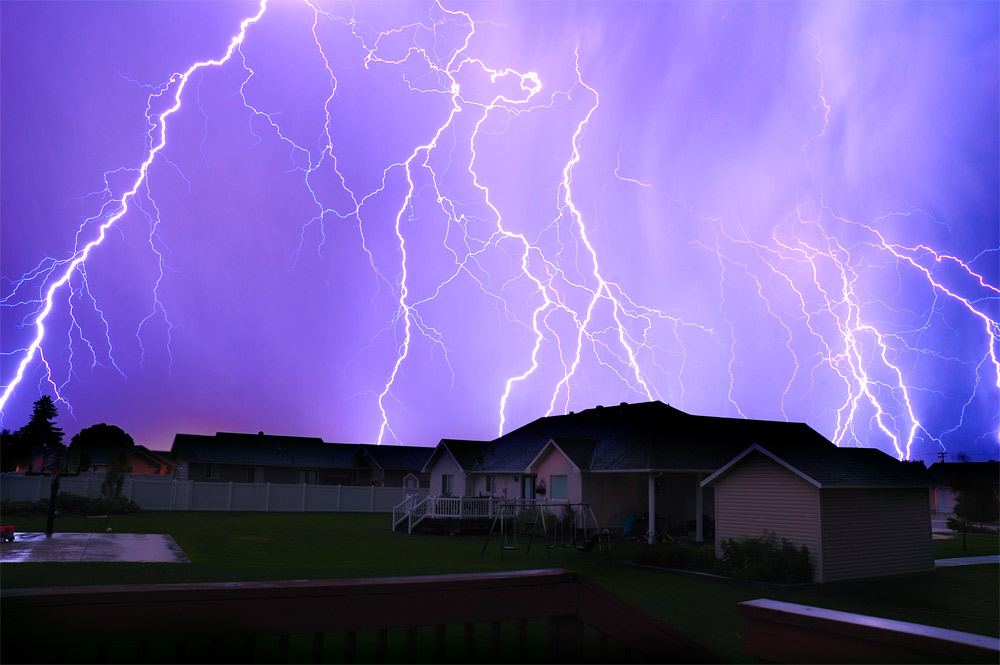
Lightning over the open ocean has become more frequent as sea surface temperatures rise, according to a new analysis of satellite records spanning more than two decades. Warmer water feeds more moisture and energy into the atmosphere, producing taller, more vigorous storm clouds that are more likely to generate electrical charges. The increase is clearest in tropical waters, where shipping lanes, fishing fleets and offshore platforms face a growing risk of strikes. Researchers say the trend is a useful indicator of how warming is changing storm behaviour, since lightning is sensitive to the strength of updraughts inside thunderclouds. The findings also matter for safety at sea, where a strike can damage navigation equipment and endanger crews far from help, and for climate science, since lightning produces nitrogen oxides that influence atmospheric chemistry.
What the Evidence Shows
The study used instruments aboard weather satellites that detect lightning flashes day and night, allowing scientists to compare ocean regions over many years without gaps. Regional differences are striking: some ocean basins show strong increases, while others show little change, reflecting shifts in wind patterns as well as warming. Forecasters are using the data to improve warnings for mariners, who need to know when to avoid the most intense cells. The researchers caution that lightning is only one measure of storm intensity, and that rainfall and wind trends must be studied alongside it. Still, the signal is consistent with basic physics, and the team expects ocean lightning to keep rising while sea temperatures climb, making it a phenomenon worth watching closely. The researchers add that better forecasting of ocean storms could also help airlines and shipping firms plan safer routes, reducing delays and fuel use on long crossings. Reporting and analysis from sources such as NASA track the same developments, and specialists following the rising ocean lightning strikes say the direction is now consistent across independent lines of evidence.
The Wider Context
Funding bodies are watching the rising ocean lightning strikes closely because the work sits at the junction of basic curiosity and practical return. Grant panels increasingly ask for a path from discovery to application, while researchers push back that the most valuable uses of fundamental science are rarely the ones written into the original proposal. The tension is productive when both sides stay honest about timescales.
What Happens Next
The long view on the rising ocean lightning strikes is that fields advance by accumulation rather than by single announcements. This result adds a solid, checkable piece to a structure many teams are building, and its authors have shared their data so the piece can be tested from every side. That is how the picture eventually becomes reliable enough to act on. You can follow related developments in our coverage of science.
It is also worth remembering how quickly the picture in this area has changed before. Positions that looked settled a few years ago have been revised as new data arrived, and the same humility is appropriate now. The strongest coverage of this subject, and the most useful advice, tends to come from sources that update their views openly when the facts move, rather than defending an earlier position long after it has stopped fitting the evidence available.
