


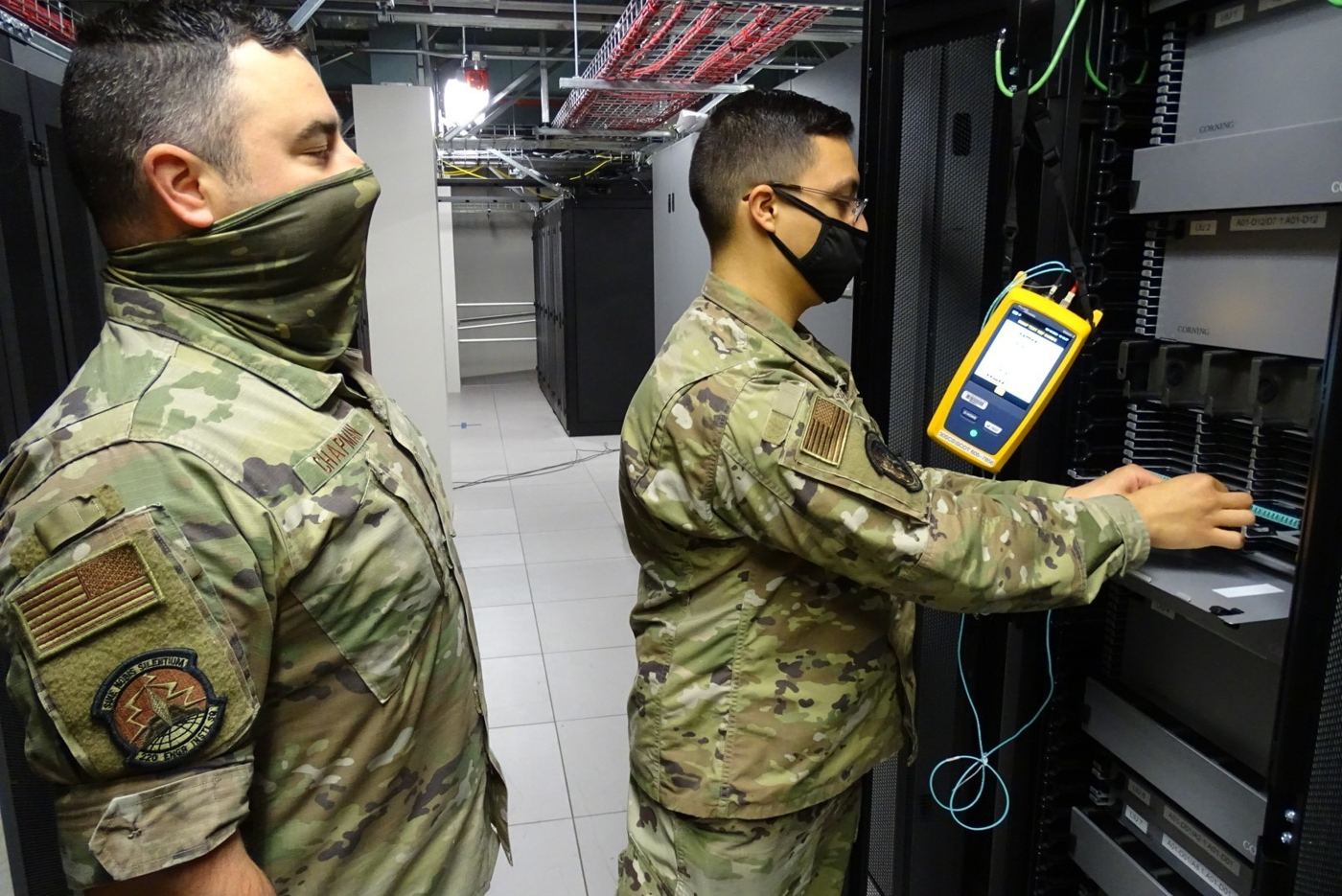
Joining two strands of glass thinner than a human hair is delicate work, and the quality of each splice decides whether a broadband connection performs well for decades. Fibre installation crews are adopting a new generation of fusion splicers that automate much of that precision, using cameras and image analysis to align the fibre cores, judge the cleanliness of each cut and adjust the electric arc that melts the ends together. Guided workflows talk less experienced technicians through preparation steps in order, reducing the errors that once caused failed joints and return visits. The machines record every splice with its estimated loss, building a quality record for each connection as the network grows. For contractors racing to connect streets and villages under rollout programmes, shaving seconds from thousands of repetitive joints while improving consistency is a significant gain. Faster, more reliable splicing also matters for repairs, when crews work in rain, darkness or cramped chambers to restore service after cables are damaged.
What the Evidence Shows
Better tools do not remove the need for craft, and experienced splicers emphasise that cleaning, careful fibre handling and tidy tray work still separate good installations from troublesome ones. What the guided equipment changes is the learning curve: trainees reach competent, verifiable work sooner, which helps an industry short of skilled labour. Manufacturers have also ruggedised the equipment, with sealed cases, longer battery life and screens readable in bright sunlight, acknowledging that splicing happens in fields and on poles rather than in laboratories. Network operators increasingly analyse the data these tools collect, mapping which routes, cabinets or installation teams produce marginal joints so problems can be addressed before customers notice. As fibre networks age, the same records will guide maintenance decades from now. The broader lesson extends across infrastructure work: the most valuable automation often assists skilled hands instead of replacing them, embedding measurement and memory into tools so that quality becomes a property of the process, not just of individual effort. Reporting and analysis from sources such as Wired track the same developments, and specialists following guided tools speeding fibre cable splicing work say the direction is now consistent across independent lines of evidence.
The Wider Context
The wider context is an industry learning to ship capability and restraint together. Products built around guided tools speeding fibre cable splicing work now launch with safety evaluations, usage data and rollback plans as standard, because enterprise buyers and regulators ask for them in the first meeting. Companies that treated those questions as friction are discovering they have become the purchase criteria.
What Happens Next
What happens next for guided tools speeding fibre cable splicing work depends less on another breakthrough than on the unglamorous work of reliability, pricing and support. The buyers evaluating it now are not enthusiasts; they are operators with budgets and auditors, and their checklists will decide the timeline. On the evidence of the current pilots, the technology has earned the right to be judged by them. You can follow related developments in our coverage of technology.
None of this will be settled by a single announcement, study or product launch. The pattern to watch is accumulation: independent confirmations, honest reporting of failures and steady improvement in the underlying numbers. Readers who follow those signals, rather than the loudest claim of the week, will understand this subject better than most of the commentary surrounding it suggests is possible.
