


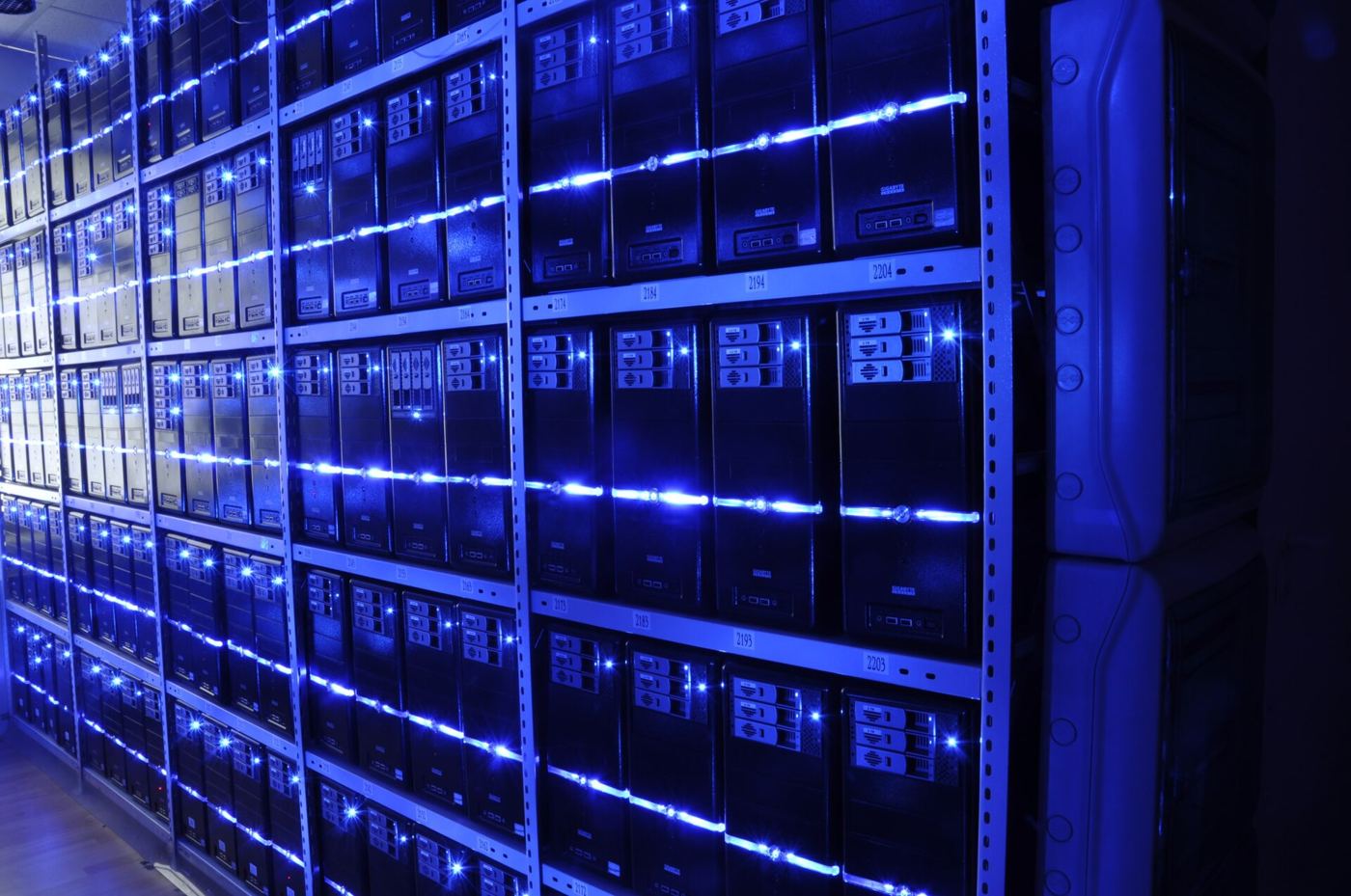
Some data centre operators are taking their servers underground, converting former mines into computing halls where the surrounding rock offers stable temperatures, natural protection and distance from neighbours troubled by noise and land use. A mine’s appeal starts with cooling: deep rock stays cool all year, and ventilation shafts built for extraction can be adapted to move air across server halls with less energy than conventional chillers demand on the surface. The rock also shields equipment from storms, and the sites often come with strong power connections installed for industry. Several projects in northern Europe and North America have shown that the concept works at commercial scale, with operators reporting lower cooling costs and a distinctive selling point for customers with sustainability targets. Conversion is not simple. Humidity must be controlled to protect electronics, water that seeps through rock needs managing, and every component must travel down shafts or tunnels that were designed for ore, not server racks. Fire safety and evacuation demand careful engineering in a space with limited exits. Even so, as suitable surface sites become scarcer and electricity grids tighter, the inventory of deep, powered, already-excavated spaces starts to look less like a curiosity and more like an asset class.
What the Evidence Shows
Underground sites also raise questions that surface projects avoid. Local communities near former mines often welcome the investment and jobs, but operators must prove that computing will not interfere with mine-water treatment or future uses of the site. Security teams like the single controlled entrance, while insurers ask hard questions about flooding history and rock stability over decades. The concept will not suit latency-sensitive services that need to sit in city centres, but for training artificial intelligence models, archiving data and running batch workloads, a few extra milliseconds matter little against cheaper cooling. Engineers are learning to design halls that follow the mine’s existing geometry rather than fighting it, placing the hottest equipment where airflow is strongest and using the rock itself as a thermal buffer during power interruptions. As the industry’s energy footprint faces growing scrutiny, such reuse of industrial heritage offers a story regulators find easier to accept than greenfield construction. Mines spent a century bringing material up from underground; a small but growing number now earn their keep by hosting the machines that process the world’s information in the cool and quiet below. Reporting and analysis from sources such as Wired track the same developments, and specialists following data centres in former mines say the direction is now consistent across independent lines of evidence.
The Wider Context
The wider context is an industry learning to ship capability and restraint together. Products built around data centres in former mines now launch with safety evaluations, usage data and rollback plans as standard, because enterprise buyers and regulators ask for them in the first meeting. Companies that treated those questions as friction are discovering they have become the purchase criteria.
What Happens Next
What happens next for data centres in former mines depends less on another breakthrough than on the unglamorous work of reliability, pricing and support. The buyers evaluating it now are not enthusiasts; they are operators with budgets and auditors, and their checklists will decide the timeline. On the evidence of the current pilots, the technology has earned the right to be judged by them. You can follow related developments in our coverage of technology.
None of this will be settled by a single announcement, study or product launch. The pattern to watch is accumulation: independent confirmations, honest reporting of failures and steady improvement in the underlying numbers. Readers who follow those signals, rather than the loudest claim of the week, will understand this subject better than most of the commentary surrounding it suggests is possible.
