


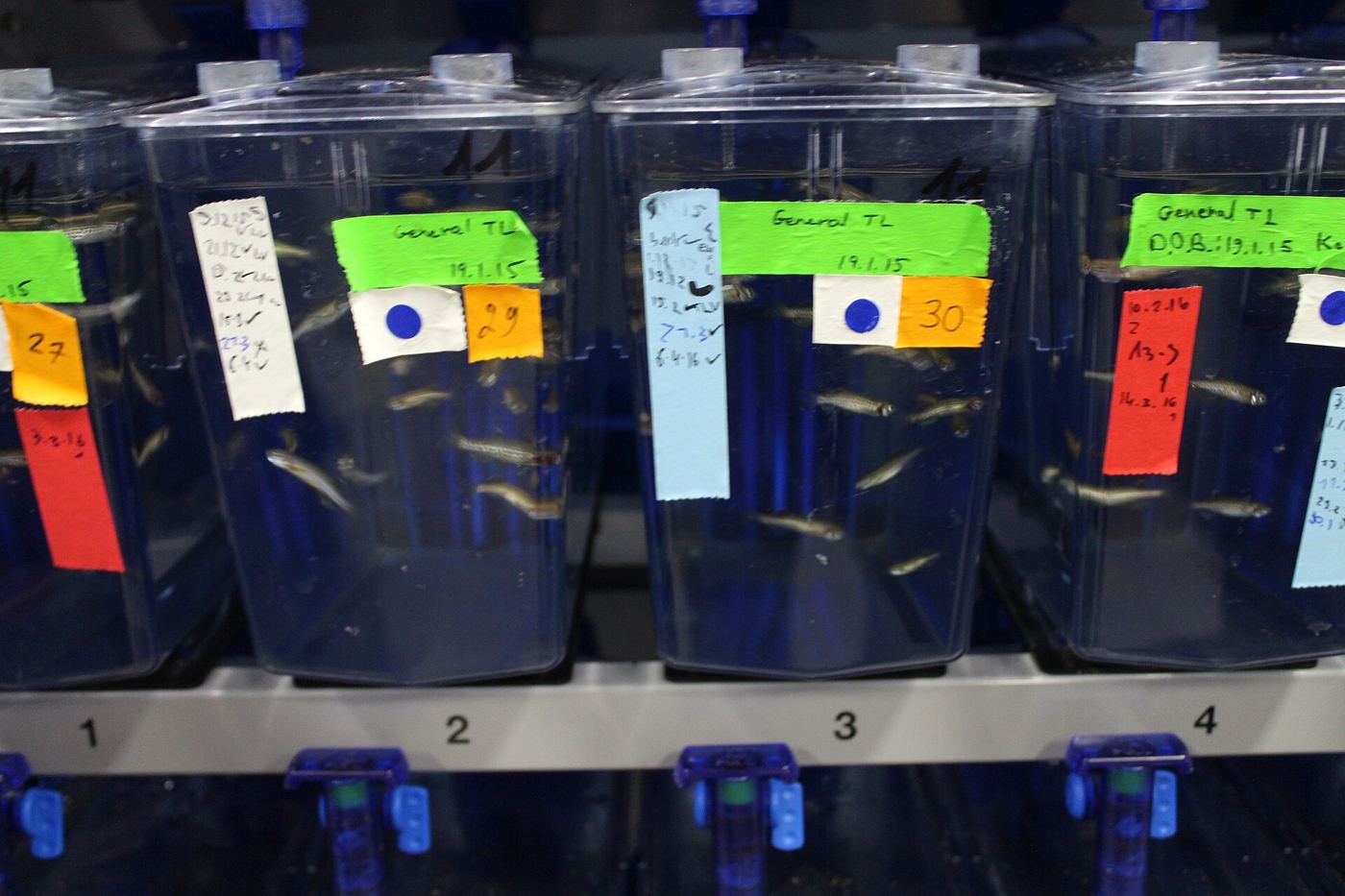
Researchers have discovered a new general anaesthetic that, unlike most anaesthetics, also relieves pain at doses that do not cause sedation. The compound, named nidradine, was reported in Nature Communications on 16 November 2026 by a team led by researchers at the University of California, San Francisco and the Chan Zuckerberg Biohub. They screened 12,000 compounds using a high-throughput platform that filmed the behaviour of larval zebrafish in 96-well plates, looking for chemicals that produced the same behaviour as the intravenous anaesthetics etomidate and propofol, two drugs already used in hospitals. One isoxazole chemical family matched that profile, and medicinal chemistry optimisation of it produced nidradine. Like etomidate and propofol, nidradine acts on GABAA receptors, the brain’s main inhibitory signalling system, and it proved effective in both zebrafish and mice.
What the Evidence Shows
Most general anaesthetics put patients to sleep without blocking pain, so pain relief during surgery usually comes from separate drugs, often opioids with their own risks. A single agent that does both could simplify anaesthesia and reduce that reliance, which is why the team screened for behaviour rather than for a single molecular target. The zebrafish platform let them test thousands of compounds quickly by watching how the tiny fish moved, rested and responded, before checking the most promising candidates in mice. The work is still at the laboratory stage: nidradine has not been tested in people, and its safety, dosing and side effects in humans are unknown. The University of California, San Francisco and the Chan Zuckerberg Biohub have applied for a patent on nidradine and related compounds. Even so, the discovery shows how behavioural screening in a small fish can find drug candidates that a purely chemical search might miss. Reporting and analysis from sources such as NASA track the same developments, and specialists following the new anaesthetic nidradine say the direction is now consistent across independent lines of evidence.
The Wider Context
Funding bodies are watching the new anaesthetic nidradine closely because the work sits at the junction of basic curiosity and practical return. Grant panels increasingly ask for a path from discovery to application, while researchers push back that the most valuable uses of fundamental science are rarely the ones written into the original proposal. The tension is productive when both sides stay honest about timescales.
What Happens Next
The long view on the new anaesthetic nidradine is that fields advance by accumulation rather than by single announcements. This result adds a solid, checkable piece to a structure many teams are building, and its authors have shared their data so the piece can be tested from every side. That is how the picture eventually becomes reliable enough to act on. You can follow related developments in our coverage of science.
It is also worth remembering how quickly the picture in this area has changed before. Positions that looked settled a few years ago have been revised as new data arrived, and the same humility is appropriate now. The strongest coverage of this subject, and the most useful advice, tends to come from sources that update their views openly when the facts move, rather than defending an earlier position long after it has stopped fitting the evidence available.
