


If you are researching how to microdose tirzepatide for weight loss, you may have seen the term “microdosing” used to describe taking smaller amounts of tirzepatide than the standard doses used in clinical treatment. The idea can sound appealing, particularly for people who are concerned about side effects, want a gentler introduction to treatment, or are looking for a lower dose that they can tolerate comfortably.
However, it is important to understand that tirzepatide microdosing is not an established dosing strategy for weight loss. The FDA-approved Zepbound dosing schedule starts at 2.5 mg once weekly for four weeks, followed by increases in 2.5 mg increments after at least four weeks when appropriate. Approved maintenance doses for weight management are 5 mg, 10 mg, or 15 mg once weekly, with 15 mg as the maximum recommended dose.
That does not mean a lower dose has no place in treatment. In fact, the approved starting dose is intentionally lower than the maintenance doses. The key difference is that “microdosing” often refers to doses or schedules outside the established prescribing recommendations.
AM Rx provides virtual healthcare and weight-management services that can help eligible patients discuss their treatment response, tolerability, and appropriate tirzepatide dosing with healthcare professionals.
What Does Tirzepatide Microdosing Mean?
Tirzepatide microdosing generally refers to using an amount smaller than the standard prescribed dose or changing the normal dosing schedule in an attempt to achieve weight-management benefits with less medication. The term is commonly used online, but it does not describe a standardized FDA-approved treatment protocol for obesity.
The concept may appeal to people who experience nausea or other gastrointestinal effects during dose escalation. Others may be interested in low dose tirzepatide because they want to lose a smaller amount of weight, maintain previous weight loss, or avoid increasing their dose.
However, there is an important distinction between starting treatment at a low approved dose and independently creating a “microdose.” The FDA-approved Zepbound schedule already uses gradual dose escalation, beginning with 2.5 mg once weekly for four weeks. The current prescribing information recommends increasing by 2.5 mg increments only after at least four weeks on the current dose, while considering treatment response and tolerability.
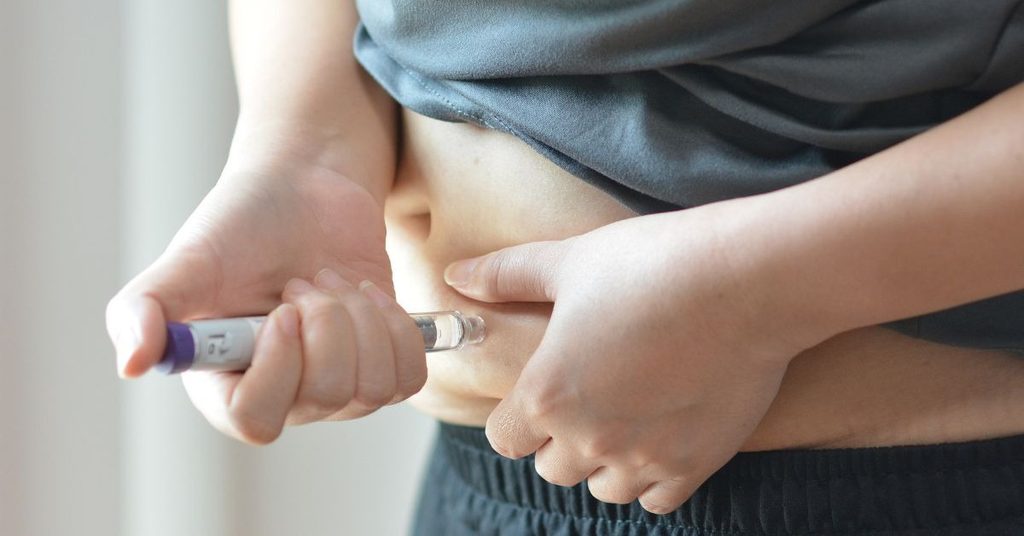
Is Microdosing Tirzepatide Approved for Weight Loss?
No specific tirzepatide microdosing protocol has been approved by the FDA for weight loss. The approved Zepbound regimen uses defined weekly doses and a structured escalation schedule.
For chronic weight management, the FDA-approved starting dose is 2.5 mg once weekly for four weeks. After that, the dose is increased to 5 mg once weekly, and further increases can occur in 2.5 mg increments after at least four weeks on the current dose. The approved maintenance options for weight reduction are 5 mg, 10 mg, and 15 mg once weekly.
This distinction matters because a lower dose is not necessarily the same thing as microdosing. A person taking the approved 2.5 mg starting dose is following the manufacturer’s titration approach. Someone who changes the amount or frequency independently is following a different regimen that has not been established as an approved weight-loss protocol.
AM Rx can help eligible patients understand the difference between an approved low starting dose and an unapproved self-directed microdosing approach.
How Is Tirzepatide Normally Dosed for Weight Loss?
Standard tirzepatide dosing for weight loss follows a gradual escalation schedule. The purpose is to introduce treatment at a lower dose and then adjust it over time based on the medication’s recommended schedule, treatment response, and tolerability.
The current FDA prescribing information recommends 2.5 mg once weekly for the first four weeks. After that, the dose increases to 5 mg once weekly. If additional treatment is appropriate, the dose can increase in 2.5 mg increments after at least four weeks at the current dose. Maintenance doses for weight management are 5 mg, 10 mg, or 15 mg once weekly.
| Treatment stage | FDA-approved Zepbound dosing |
| Starting dose | 2.5 mg once weekly |
| After initial 4 weeks | 5 mg once weekly |
| Maintenance options | 5 mg, 10 mg, or 15 mg once weekly |
| Maximum recommended dose | 15 mg once weekly |
The table describes the FDA-approved Zepbound schedule, not a personalized dosing recommendation. Your healthcare professional determines whether and when a dose should change based on your circumstances.
Can Low Dose Tirzepatide Still Help With Weight Loss?
Lower doses can have an effect, but the amount of weight loss varies between individuals. Clinical trials have demonstrated meaningful weight reduction with approved tirzepatide doses, and research generally shows a dose-response relationship, with higher studied doses producing greater average weight loss.
A 2026 real-world observational study also reported clinically meaningful weight reduction among adults receiving low-to-moderate doses of tirzepatide over six months. However, observational evidence does not establish that an independently selected “microdose” is an appropriate or effective treatment strategy for everyone.
The more useful question is therefore not simply whether a smaller dose can produce weight loss. It is whether the prescribed dose provides an appropriate balance between effectiveness and tolerability for the individual receiving treatment.
Some people may respond well during the lower-dose stages, while others may require a higher approved maintenance dose to achieve their treatment goals. Your healthcare professional can evaluate your progress rather than relying on generalized microdosing advice found online.
Why Do People Consider Tirzepatide Microdosing?
People consider tirzepatide microdosing for several reasons. One of the most common is concern about gastrointestinal side effects. Nausea, diarrhea, vomiting, constipation, and other digestive symptoms are among the known adverse effects associated with tirzepatide. Clinical evidence also suggests that gastrointestinal adverse events become more common as doses increase.
Another reason is the desire to use the lowest effective amount of medication. Someone who has already lost significant weight may wonder whether a smaller dose could help maintain progress. Others may feel uncomfortable with moving quickly through dose escalation.
These concerns are reasonable topics to discuss with a healthcare professional. However, changing the amount of medication yourself is different from working with a provider to determine an appropriate maintenance dose. AM Rx provides eligible patients with virtual healthcare support for discussing treatment response and weight-management goals.
Is Tirzepatide Microdosing Safer?
It cannot be assumed that microdosing tirzepatide is safer simply because the amount is smaller. Safety depends on the medication, formulation, dose, administration method, individual health factors, and how the treatment is used.
Using a dose that has not been established for weight management can also create uncertainty about effectiveness. If someone uses an unconventional amount and does not lose weight, it may become difficult to determine whether the problem is the medication response, the dose, adherence, or another factor.
The FDA-approved dosing schedule already incorporates gradual escalation. The current Zepbound label specifically instructs that dose increases should occur in 2.5 mg increments after at least four weeks and that treatment response and tolerability should be considered when selecting a maintenance dose.
Rather than creating a personal microdosing schedule, discuss concerns about side effects, dose escalation, or treatment intensity with your healthcare professional.
Can You Stay on a Low Dose of Tirzepatide?
Depending on the treatment response and medication, a lower approved maintenance dose may be appropriate for some people. For Zepbound, 5 mg is one of the FDA-approved maintenance doses for chronic weight management.
This is different from taking an arbitrarily small amount. A prescribed maintenance dose has been evaluated within the medication’s clinical development program, while an independently created microdose may not have the same evidence supporting its effectiveness or safety.
If you are tolerating a lower dose well and achieving appropriate progress, your healthcare professional can determine whether remaining on that dose is reasonable. If weight loss is inadequate or your treatment goals change, they may reassess the plan.
AM Rx makes it convenient for eligible patients to discuss these decisions through virtual healthcare instead of adjusting treatment without professional guidance.
How Does Tirzepatide Dosing Affect Weight Loss?
Research indicates that tirzepatide can produce dose-dependent weight loss. In clinical trials, participants receiving 5 mg, 10 mg, and 15 mg experienced different average weight reductions, with higher studied doses generally producing greater weight loss.
However, average results from clinical trials do not predict exactly what will happen to one individual. Someone may experience strong appetite reduction at a lower dose, while another person may need a higher approved maintenance dose to achieve a similar response.
Tolerability is equally important. If increasing the dose produces significant side effects, the potential benefits need to be considered alongside how well the medication can be maintained. Following a balanced tirzepatide diet plan that includes protein-rich foods, fiber, hydration, and appropriate portion sizes may also support long-term weight-management goals alongside medication.
What Should You Do If You Want to Try Tirzepatide Microdosing?
If you are considering tirzepatide microdosing, start by discussing your reasons with a healthcare professional. Explain whether your concern is side effects, slow weight loss, previous weight loss, maintenance, cost, or another treatment issue.
Your provider can review your current dose, how long you have been taking it, your weight-management progress, appetite changes, and how well you tolerate the medication. This information can help determine whether staying at a lower approved dose, adjusting treatment, or continuing the current schedule makes sense.
Do not measure smaller doses yourself, split doses, change injection frequency, or create a personalized dosing schedule based on advice from social media. The appropriate approach depends on the specific tirzepatide product and prescription instructions.
AM Rx provides virtual healthcare and weight-management services for eligible patients who want professional guidance throughout treatment. You can discuss questions about low dose tirzepatide, side effects of tirzepatide, weight-loss progress, and your long-term goals with a healthcare professional.
What Are the Risks of Changing Tirzepatide Doses Yourself?
Changing tirzepatide doses without professional guidance can create several problems. Taking too much may increase the risk of adverse effects, while taking too little or changing the frequency may reduce treatment effectiveness.
The FDA-approved Zepbound label also states that coadministration with other tirzepatide-containing products or GLP-1 receptor agonists is not recommended. This makes it particularly important to avoid combining medications or changing treatment based on informal online recommendations.
Another concern involves compounded or nonstandard products. Different concentrations can make dose calculations confusing, particularly when people try to convert milligrams into syringe units. A numerical amount on a syringe is not automatically equivalent to a particular milligram dose unless the concentration is known.
For these reasons, dose changes should be based on your prescription and professional guidance rather than a DIY calculation.
How Can AM Rx Help With Tirzepatide Weight Loss?
Understanding tirzepatide dosing can be confusing, particularly when online discussions use terms such as microdosing, low dose, maintenance dose, and maximum dose interchangeably. AM Rx provides virtual healthcare and weight-management services that can help eligible patients understand their treatment options.
Through virtual care, eligible patients can discuss their weight-loss progress, medication tolerance, appetite changes, and questions about tirzepatide dosing. A healthcare professional can help determine whether the current treatment approach remains appropriate or whether a change should be considered.
AM Rx focuses on convenient access to professional weight-management care, helping eligible patients make treatment decisions based on their individual needs rather than following generalized microdosing advice found online.
Frequently Asked Questions About Tirzepatide Microdosing
How to microdose tirzepatide for weight loss?
There is no FDA-approved microdosing protocol for tirzepatide weight loss. The approved Zepbound regimen starts at 2.5 mg once weekly for four weeks and then increases in 2.5 mg increments after at least four weeks when appropriate.
What is the lowest dose of tirzepatide for weight loss?
For Zepbound, 2.5 mg once weekly is the FDA-approved starting dose. It is intended for treatment initiation rather than long-term weight management. The approved maintenance doses for weight reduction are 5 mg, 10 mg, and 15 mg once weekly.
Does low dose tirzepatide work for weight loss?
Lower approved doses can produce weight loss, although individual responses differ. Clinical research shows a dose-response relationship, with higher studied doses generally producing greater average weight loss.
Is tirzepatide microdosing better for side effects?
A lower dose may be easier for some people to tolerate, but it cannot be assumed that an unapproved microdosing regimen is safer. If you are experiencing side effects, discuss them with your healthcare professional before changing your dose.
Can I take tirzepatide less often than once a week?
Zepbound is prescribed once weekly for weight management. Changing the frequency without professional guidance is not recommended. The current FDA prescribing information specifies once-weekly administration.
What is the best tirzepatide dose for weight loss?
There is no single dose that is best for everyone. For Zepbound, approved maintenance doses are 5 mg, 10 mg, or 15 mg once weekly. The prescribing information recommends considering treatment response and tolerability when selecting the maintenance dose.
Conclusion
If you are searching for how to microdose tirzepatide for weight loss, it is important to distinguish online “microdosing” advice from the established dosing schedule for approved tirzepatide treatment. There is currently no FDA-approved microdosing protocol that recommends taking arbitrarily small amounts or changing the normal weekly schedule.
The approved Zepbound regimen starts at 2.5 mg once weekly for four weeks, followed by gradual increases when appropriate. Approved maintenance doses for weight management are 5 mg, 10 mg, and 15 mg once weekly, with treatment response and tolerability considered when selecting the maintenance dose.
A lower approved dose may be appropriate for some people, particularly when it provides a satisfactory balance between treatment response and tolerability. However, creating your own low-dose or microdosing schedule can introduce unnecessary uncertainty.
AM Rx offers virtual healthcare and weight-management services for eligible patients who want professional support with tirzepatide treatment. Whether you are concerned about side effects, considering a lower approved dose, or trying to understand your weight-loss options, AM Rx can help you discuss your goals and treatment response with healthcare professionals.
