


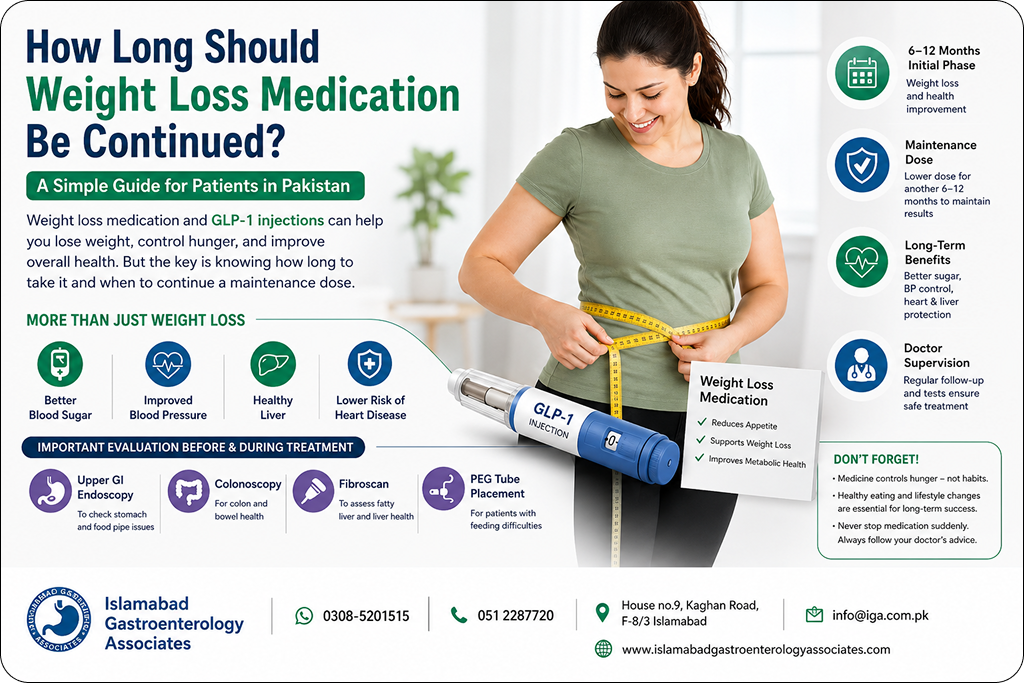
Losing weight with a GLP-1 medications can be a major milestone, but reaching your goal weight does not necessarily mean your treatment is finished. Many people eventually ask about the glp-1 maintenance dose after weight loss and whether continuing medication can help them maintain their progress.
Weight maintenance can be challenging because appetite, metabolism, and other biological factors continue to influence body weight even after you have reached a target. For some people, continuing GLP-1 treatment may be part of a longer-term strategy. For others, their healthcare provider may recommend a different approach based on their individual circumstances.
RoenRx provides clinician-guided weight-management care for eligible patients. Understanding what can happen after reaching your goal can help you have a more productive conversation with your healthcare provider about long-term treatment.
What Is GLP-1 Maintenance Therapy
GLP-1 maintenance therapy refers to continuing an appropriate prescription treatment after achieving meaningful weight loss. Instead of focusing primarily on losing additional pounds, the goal shifts toward maintaining the progress you have made.
The medication used for maintenance does not necessarily involve a lower dose. The appropriate dose depends on the specific medication, its approved dosing instructions, your response, and how well you tolerate treatment.
For example, Wegovy, a semaglutide medication approved for chronic weight management, has recommended maintenance doses for adults after gradual dose escalation. Zepbound, which contains tirzepatide, also has specific maintenance dosing options.
Because GLP-1 medications are not identical, there is no universal maintenance dose that applies to everyone. Your healthcare provider should determine which treatment and dose are appropriate for your situation.
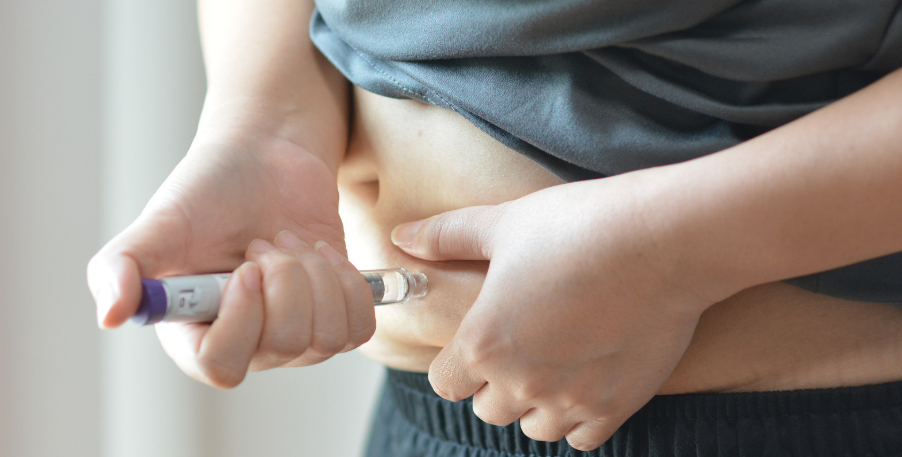
Do You Need a GLP-1 After Reaching Your Goal Weight
Reaching your goal weight does not automatically mean you need to stop a GLP-1 medication. Weight management is often an ongoing process, and some people may benefit from continued treatment to help maintain their results.
Research has found that weight regain can occur after discontinuing certain GLP-1-based medications. This is one reason healthcare providers may view obesity as a chronic condition requiring long-term management rather than a problem that ends once a target number appears on the scale.
However, continuing treatment is not automatically right for everyone. Your healthcare provider can consider your health history, current weight, treatment response, side effects, and long-term goals before recommending whether medication should continue.
RoenRx helps eligible patients discuss these decisions with clinicians rather than making changes independently.
What Is the GLP-1 Maintenance Dose After Weight Loss
There is no single glp-1 maintenance dose after weight loss because dosing depends on the medication you are prescribed. Semaglutide and tirzepatide, for example, have different approved dosing schedules and maintenance options.
For Wegovy, the recommended adult maintenance dosage is 2.4 mg once weekly, while 1.7 mg once weekly may be used as an alternative maintenance dose based on individual response and tolerability.
Zepbound follows a different dosing structure. Its approved maintenance doses for weight reduction are 5 mg, 10 mg, or 15 mg once weekly, with the selected dose depending on treatment response and tolerability.
These doses should not be used as personal recommendations. Your healthcare provider should determine the appropriate maintenance plan based on your prescription and individual needs.
Is the Maintenance Dose Lower Than the Weight-Loss Dose
Not always. Many people assume that reaching their goal weight automatically means reducing the medication dose. In reality, the maintenance dose may be the same dose used during ongoing weight-loss treatment.
The appropriate approach depends on the specific medication and your individual response. Some patients may remain on an approved maintenance dose, while others may have their treatment plan adjusted by their healthcare provider.
Reducing the dose without medical guidance may not provide the same appetite control or weight-management support. On the other hand, continuing a medication that causes significant side effects may not be appropriate either.
The goal of maintenance therapy is to find an effective and tolerable long-term strategy, rather than simply choosing the lowest possible dose.
Why Can Weight Return After Stopping a GLP-1
Your body continues to regulate appetite and energy balance after you stop taking a GLP-1 medication. Some of the appetite-suppressing effects associated with treatment may decrease after discontinuation.
Clinical research has shown that people can regain a significant portion of previously lost weight after stopping semaglutide treatment. This does not mean the medication failed. Instead, it highlights the chronic nature of weight regulation and why maintaining weight loss can require ongoing support.
Lifestyle habits remain important, but they may not completely replace the biological effects of medication for every person. Your healthcare provider can help determine whether continuing treatment, changing the approach, or transitioning away from medication is appropriate.
What Happens to Appetite After Reaching Your Goal Weight
Appetite may change throughout your weight-loss journey. During GLP-1 treatment, many people experience reduced hunger and increased feelings of fullness. After reaching a goal weight, those effects may remain if treatment continues.
If medication is stopped, appetite can increase for some people. Stronger hunger or cravings may make it more difficult to maintain previous eating patterns, potentially contributing to weight regain.
This is one reason weight maintenance deserves as much attention as weight loss. Reaching a target is an achievement, but developing a sustainable plan for the months and years afterward can be equally important.
RoenRx takes a clinician-guided approach to help eligible patients understand their options as they transition from active weight loss to long-term weight management.
How Long Can You Stay on GLP-1 Maintenance Therapy
The appropriate duration varies from person to person. Some individuals may remain on GLP-1 medication for an extended period when their healthcare provider determines that continued treatment is beneficial and appropriate.
There is no universal point at which everyone should stop. Your healthcare provider may periodically review your weight, health markers, treatment response, side effects, and goals to determine whether continuing medication makes sense.
Long-term treatment can also involve adjustments over time. Your needs may change as your weight stabilizes, lifestyle habits develop, or other health circumstances change.
Do not stop or reduce your medication simply because you have reached a target weight. Discuss the next stage with your healthcare provider first.
Can Lifestyle Changes Replace GLP-1 Maintenance Treatment
Healthy habits remain an important part of long-term weight management regardless of whether you continue medication. A balanced diet, regular physical activity, adequate sleep, and sustainable eating habits can all support weight maintenance.
However, lifestyle changes do not necessarily produce the same effects as prescription treatment. Appetite regulation and other biological mechanisms can make maintaining weight difficult for some people even when they are making consistent efforts.
Your healthcare provider can help determine how medication and lifestyle strategies should work together. For some patients, medication may remain part of their long-term plan, while others may eventually transition away from treatment.
RoenRx supports a broader approach to weight management rather than treating medication as the only component of care.

Should You Reduce Your GLP-1 Dose After Reaching Your Goal
A dose reduction should not be automatic. Whether reducing medication makes sense depends on your individual treatment plan, the specific GLP-1 medication, your response, and your healthcare provider’s assessment.
Some people may tolerate a particular maintenance dose well and continue using it for long-term weight management. Others may discuss dose changes with their clinician because of side effects, changing goals, or other circumstances.
If you are thinking about lowering your dose, speak with your healthcare provider first. Making changes without guidance can affect appetite control and may increase the likelihood of weight regain.
What If You Regain Some Weight During Maintenance
Small fluctuations in body weight are normal. A few pounds of change does not necessarily mean that your treatment has stopped working.
However, a consistent upward trend deserves attention. Your healthcare provider can look at your eating habits, activity level, medication adherence, sleep, stress, and current treatment plan to identify factors that may be contributing.
You should not respond to weight regain by increasing your medication independently. Your provider can determine whether your current treatment remains appropriate or whether another strategy would be more useful.
Tracking your weight over time rather than reacting to individual daily changes can provide a clearer picture of what is happening.
How Can You Maintain Weight After GLP-1 Treatment
Weight maintenance usually works best when it involves several sustainable habits rather than one major change. Eating balanced meals with adequate protein and fiber can help support fullness and nutritional needs.
Regular physical activity can also help maintain muscle and support overall health. Resistance training may be particularly useful during and after weight loss because preserving muscle mass is an important part of maintaining a healthy body composition.
Sleep and stress management should not be overlooked. Changes in sleep and stress can influence appetite, food choices, energy levels, and daily activity.
If you continue GLP-1 treatment, these habits remain valuable. If you eventually discontinue medication, they may become an even more important part of your maintenance strategy.
Frequently Asked Questions
What is the GLP-1 maintenance dose after weight loss
There is no universal maintenance dose. The appropriate amount depends on the specific GLP-1 medication, your response, tolerability, and the prescribing instructions for that treatment.
Should you continue GLP-1 after reaching your goal weight
Some people may benefit from continued treatment, while others may eventually transition away from medication. Your healthcare provider should determine the best approach based on your individual circumstances.
Is maintenance therapy necessary after losing weight
Not necessarily for everyone. However, weight regain can occur after stopping GLP-1 medication, so some people may benefit from ongoing treatment and monitoring.
Can you take a lower dose after reaching your goal
A lower dose may be appropriate in certain circumstances, but you should not reduce your medication without discussing it with your healthcare provider.
Will I regain weight if I stop GLP-1 medication
Weight regain is possible after stopping treatment. Appetite and other biological factors can change after discontinuation, which may make maintaining previous weight loss more difficult.
How long should GLP-1 maintenance therapy continue
There is no universal duration. Treatment may continue long term when the benefits outweigh the risks and your healthcare provider considers it appropriate.
Can diet and exercise maintain weight without GLP-1
Healthy lifestyle habits can support weight maintenance, but they may not completely replace the effects of medication for everyone. Your healthcare provider can help determine the best strategy for your circumstances.
How RoenRx Supports Long-Term Weight Maintenance
Reaching your goal weight is an important achievement, but deciding what comes next deserves careful consideration. The right maintenance strategy can help you protect your progress while continuing to support your overall health.
RoenRx provides clinician-guided weight-management care for eligible patients who are considering prescription treatment. You can discuss questions about continuing medication, changing your dose, managing side effects of GLP-1, and maintaining your weight with qualified healthcare professionals.
Rather than treating your goal weight as the finish line, RoenRx can help you approach weight management as a longer-term process. Medication, nutrition, physical activity, and ongoing medical guidance can all play a role in maintaining meaningful results.
Final Thoughts
The right glp-1 maintenance dose after weight loss depends on the medication and the individual. There is no standard dose that every person should take after reaching a goal weight.
Some people may continue their prescribed maintenance dose, while others may eventually discuss adjusting or discontinuing treatment with their healthcare provider. Because weight regain can occur after stopping GLP-1 medication, the decision should be based on more than reaching a specific number on the scale.
If you are approaching your goal weight or wondering what happens after active weight loss, RoenRx offers clinician-guided support for eligible patients. Working with a healthcare professional can help you create a maintenance strategy that is realistic, informed, and focused on long-term weight management.
