


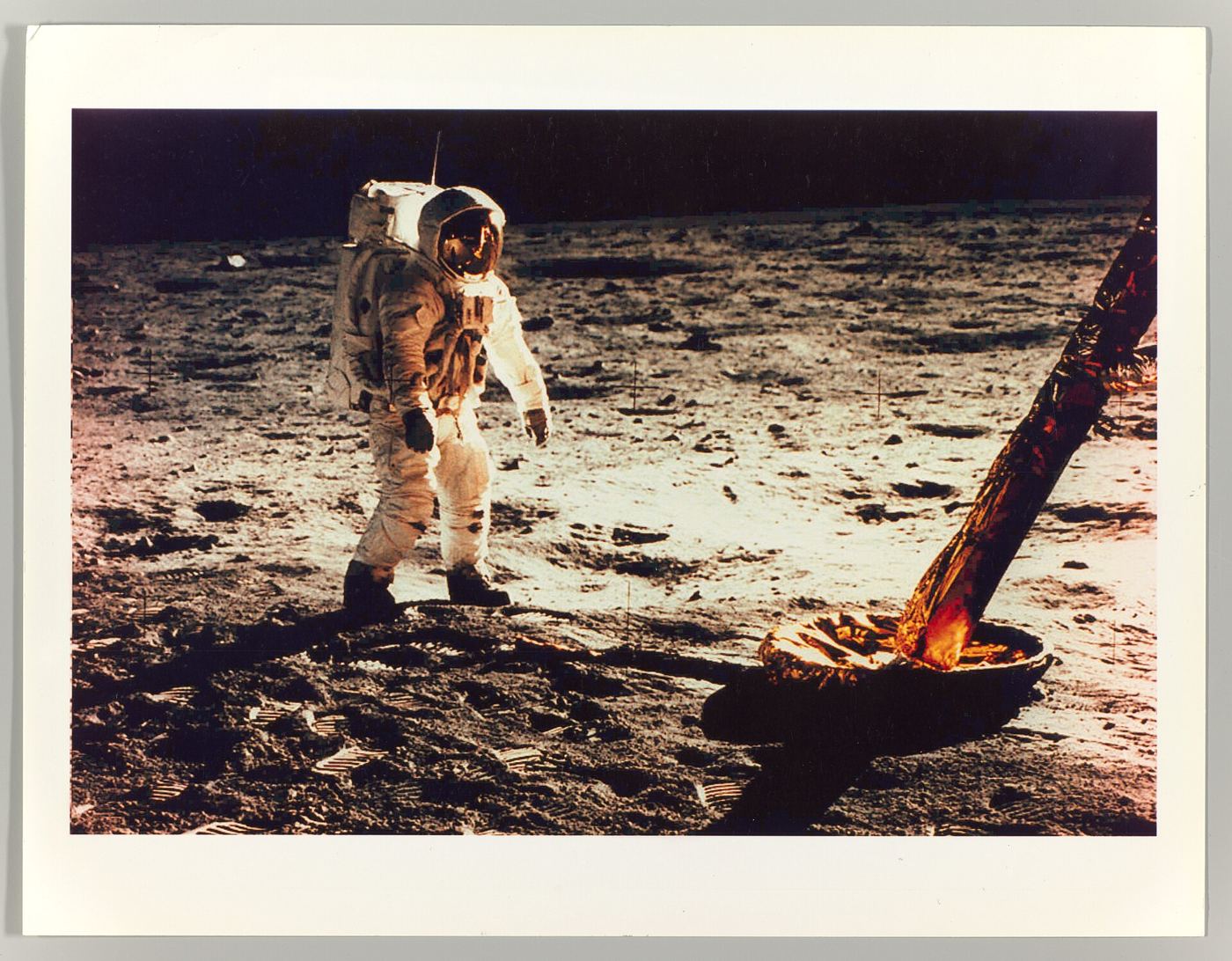
NASA has revealed an accelerated plan to land astronauts on the Moon in 2028, with SpaceX and Blue Origin developing competing lunar landers. The plan was reported on 9 November 2026, and it sets a crucial orbital test for 2027 before the crewed landing. The two companies are building different landers for the job: SpaceX is adapting its Starship spacecraft, which flew its 15th test flight in November, while Blue Origin is developing its Blue Moon lander. The accelerated schedule is a response to the long delays that have pushed the return to the Moon later and later, and it puts the two companies in a race to prove their landers first. The plan keeps the Artemis programme’s goal of returning people to the lunar surface, more than half a century after the last Apollo landing.
What the Evidence Shows
The competition between the two landers is the heart of the plan. SpaceX’s Starship is the larger and more ambitious design, built to carry heavy cargo and eventually people to Mars, while Blue Origin’s Blue Moon is a smaller, more conventional lander. Both must prove they can fly to the Moon, land safely and take off again, and the orbital test in 2027 will show whether either design is ready. The accelerated timetable also depends on the Space Launch System rocket and the Orion spacecraft, which will carry astronauts to lunar orbit, and on the RS-25 engines that power the rocket, which passed a 200-second test in November. A landing in 2028 would put astronauts on the Moon just as the Artemis programme enters its most demanding phase, and the coming year will show whether the new pace can hold. Reporting and analysis from sources such as NASA track the same developments, and specialists following NASA’s accelerated Moon landing plan say the direction is now consistent across independent lines of evidence.
The Wider Context
Funding bodies are watching NASA’s accelerated Moon landing plan closely because the work sits at the junction of basic curiosity and practical return. Grant panels increasingly ask for a path from discovery to application, while researchers push back that the most valuable uses of fundamental science are rarely the ones written into the original proposal. The tension is productive when both sides stay honest about timescales.
What Happens Next
The long view on NASA’s accelerated Moon landing plan is that fields advance by accumulation rather than by single announcements. This result adds a solid, checkable piece to a structure many teams are building, and its authors have shared their data so the piece can be tested from every side. That is how the picture eventually becomes reliable enough to act on. You can follow related developments in our coverage of science.
It is also worth remembering how quickly the picture in this area has changed before. Positions that looked settled a few years ago have been revised as new data arrived, and the same humility is appropriate now. The strongest coverage of this subject, and the most useful advice, tends to come from sources that update their views openly when the facts move, rather than defending an earlier position long after it has stopped fitting the evidence available.
