


Starting yoga means learning poses. But many beginners misunderstand what these poses actually are. They think a pose is just a shape to get into. They think that if they can do the shape, they have done it right. This is the biggest misunderstanding. A Bali yoga teacher training course teaches you that poses are much more than just shapes. They are movements with purpose. They require alignment. They require awareness.
The poses that confuse beginners the most are often the simple ones. Everyone thinks simple means easy. But simple does not mean easy. Simple means foundational. Simple means a lot is happening that you cannot see from the outside.
A child’s pose is a perfect example. Beginners think the child’s pose is just resting. You fold forward and relax. But in the best yoga teacher training in Bali, you learn that the child’s pose is actually active. Your arms can be extended or by your sides. Your hips can be wide or narrow. Your breathing can be deep or shallow. All of these choices change what the pose does for your body. Most beginners do a child’s pose one way and think that is it.
The downward dog position confuses almost every beginner. This pose looks simple from the pictures. You see someone’s body in a V shape and think you just have to copy that. But downward dog has so many moving parts. Your hands need to be the right distance apart. Your fingers need to spread. Your shoulders need to stack over your wrists. Your core needs to engage. Your legs need to stay straight but not locked. Your heels do not have to touch the ground. Many beginners force their heels down and strain their calves. They push hard with their arms and dump their weight into their shoulders. Then they wonder why the downward dog hurts.
A 200-hour yoga teacher training in Bali spends weeks on the downward dog. Not because it is complicated. But because getting it right changes everything else. Once you understand the downward dog, you can do it in almost every flow. You can do it safely. You do not get injured. You build strength instead of pain.
Mountain pose and its hidden complexity
Mountain pose seems impossibly simple. You just stand there. How can that be a yoga pose? But beginners miss almost everything about the mountain pose. They stand the way they always stand. They think that is a mountain pose. It is not.
In mountain pose, your feet matter. Your weight should be distributed evenly across all four corners of each foot. Most people put all their weight in their heels or their toes. Your legs should be engaged but not locked. Your pelvis should be neutral. Your shoulders should be relaxed, and your back. Your spine should be neutral. Your gaze should be forward and down slightly.
When beginners skip mountain pose work and move to more interesting standing poses, they carry their bad standing habits into everything else. Their alignment is off. Their joints do not stack properly. Then, when they get into warrior pose or triangle pose, something does not feel right. But the problem started in mountain pose.
This is why an intensive yoga teacher training in Bali starts with the mountain pose. It seems boring. But it is the foundation for everything. Get it right here, and the rest flows naturally.
Forward fold misunderstandings
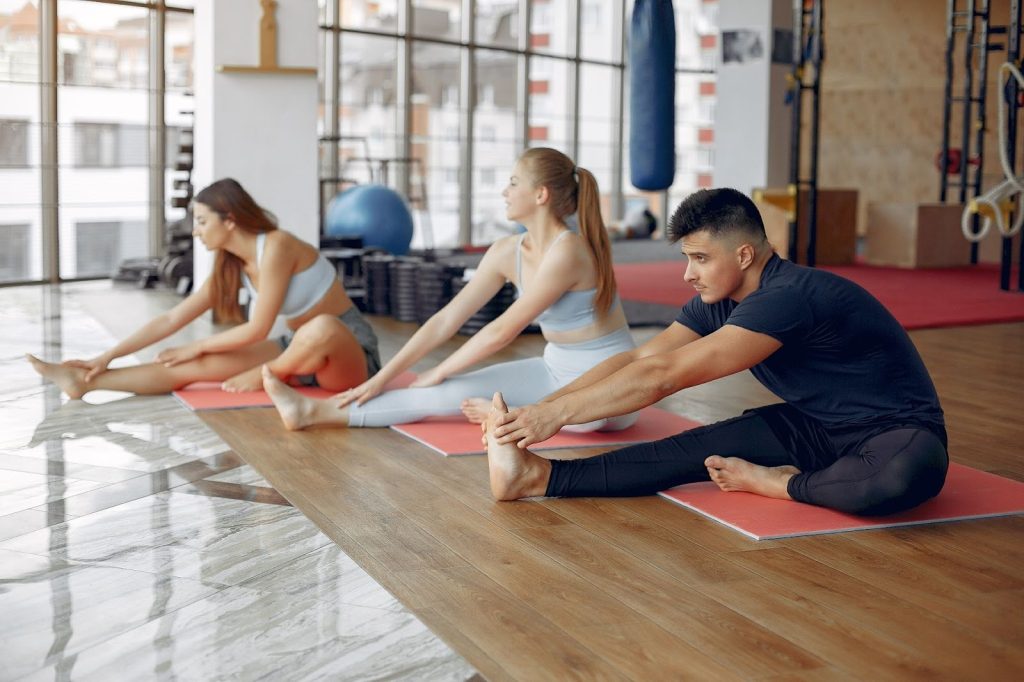
Forward fold confuses beginners because flexibility feels like the goal. You want to touch your toes. You want to put your head on your knees. You think that if you cannot do that, you are doing it wrong. But forward fold is not about how deep you go. It is about how you get there.
The forward fold is about hinging at your hips. It is about keeping your spine long. It is about using your hamstrings and not collapsing your lower back. Most beginners round their spine to get deeper. They think rounding is flexible, but it is not. Rounding is compensation because it is your body finding an easier way.
In a 300-hour yoga teacher training in Bali, you learn that forward fold with a flat back and bent knees is better than forward fold with a rounded spine and straight legs. This seems wrong to beginners. But it is right. You are protecting your spine. You are stretching the right muscles.
Warrior pose confusion
The warrior pose looks aggressive. Beginners think warrior means going deep. They want to sink low and open their hips wide. But a warrior has a specific alignment. Your front foot points forward. Your back foot is at a 45-degree angle. Your front knee stacks over your ankle. Your hips face forward even though your back foot is turned. Your torso stays upright.
When beginners sink too low, their front knee goes forward of their ankle. That is dangerous. When they open their hips too much, they lose their alignment. A Bali yoga teacher training for beginners teaches warriors carefully. It teaches that alignment matters more than depth.
Triangle pose and the reach
The triangle pose confuses beginners because they think they need to reach their hand down to their foot or the floor. They think if they cannot reach, they are not doing it right. But a triangle is about rotating your torso. It is about extending your spine. It is about hip opening. Your hand does not have to touch anything.
Many beginners round their spine to reach lower. They rotate their hips instead of rotating their torso. They miss the actual purpose of the pose. In an affordable yoga teacher training in Bali, you learn that a triangle with your hand on a block is better than a triangle with your hand on the floor done incorrectly.
The bigger pattern
The pattern is the same in all these misunderstood poses. Beginners think poses are about depth, or reaching or looking a certain way. They think alignment is optional. But alignment is everything. Alignment is what makes a pose safe. Alignment is what makes a pose effective. Alignment is what prevents injury.
This is why a yoga teacher training in Bali for 2026 spends so much time on basic poses. Not because basic poses are boring. But because understanding them properly changes your entire practice. Once you get alignment right in simple poses, advanced poses become possible. Not because you are more flexible or stronger. But because your body knows how to move correctly.
The most misunderstood poses are not the hardest ones. They are the simplest ones. Because simplicity hides complexity. Because beginners think simple means they understand it. But understanding comes from doing it many times. From paying attention. From letting a teacher guide you. From building awareness slowly.
