


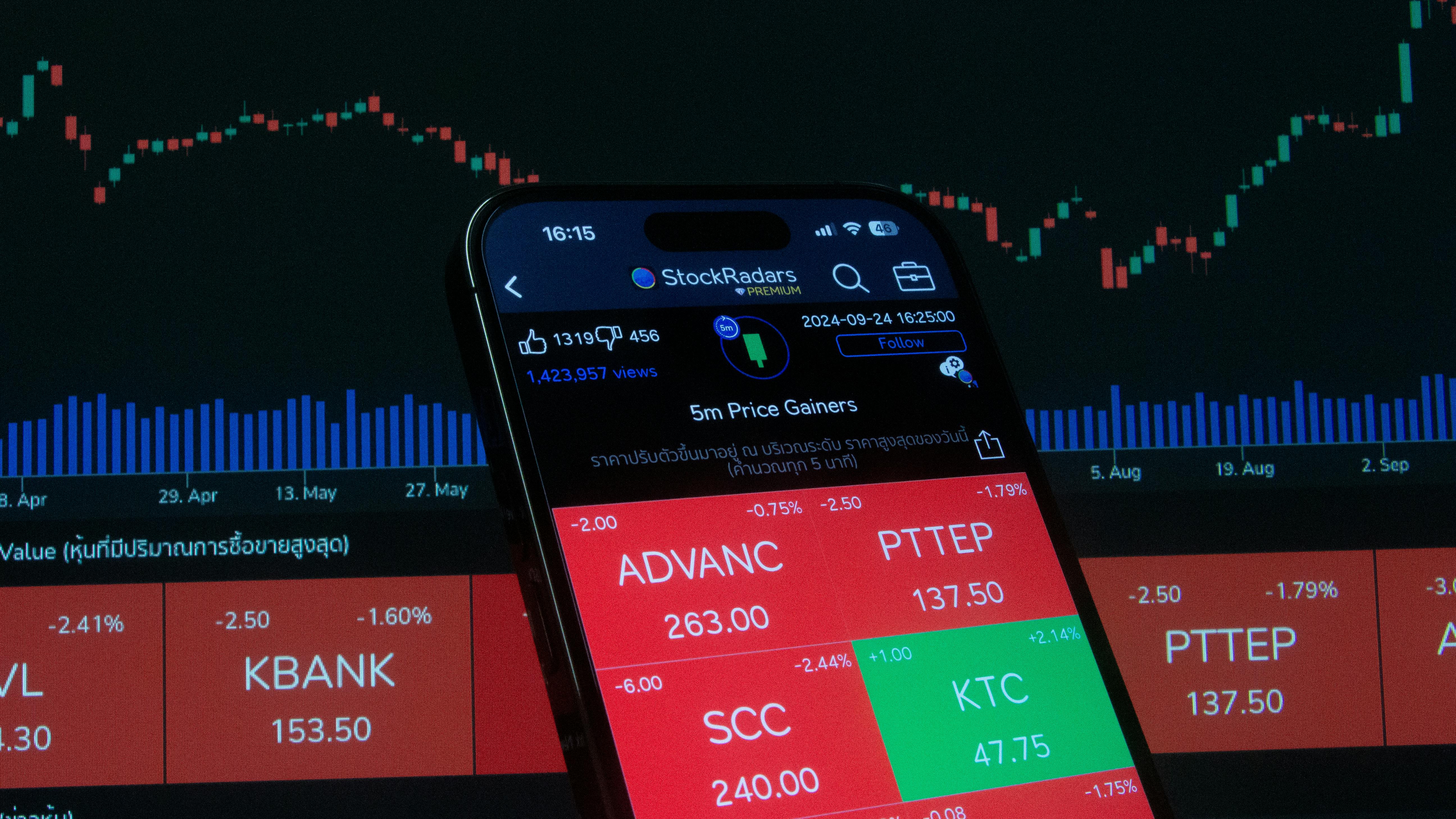
Like many other places in the world, Jordan has not managed to escape the online trading boom. Thanks to the rise of digital platforms, traders no longer need to plan trips to bank offices to access markets. With just a tap on a smartphone, they can seamlessly log into a trading app and place a buy order without stress. The days when these individuals would be sidelined by geography are long gone.
But traders don’t just want the convenience of accessing markets alone. Just offering convenience while ignoring other aspects of the entire experience, like the seamlessness of a platform, can frustrate users and discourage them from returning. And mark you: attracting new customers has proven to be more expensive than retaining existing ones. According to Invesp, you may spend up to 25 times more resources to acquire a new customer than to keep an existing one.
It’s a big part of why exchanges targeting Jordan traders are becoming increasingly customer-focused. Beyond just providing access, these platforms now prioritize user experience, security and tailored tools that meet the specific needs of Jordanian traders. And when users find such features, it becomes easy for them to remain engaged, explaining why online trading in Jordan is on the rise. And to learn more about factors driving this growth, stay around.
Catering to what Jordanian traders really care about
Seamless design approach
A trader in Amman juggling work, family and studies might not want a platform that feels like an engineering dashboard. But if the interface is clean, it could motivate them to stay around. App-Scoup agrees, suggesting that a well-designed user interface could raise website conversions by up to 200%. In the trading sector, where charts and real-time market data dominate the screen, a confusing interface can be overwhelming.
And mark you: such experiences can lead to high churn rates and eventually a negative reputation. When users leave, many of them never leave quietly, as they always share the negative experiences with their friends and colleagues. At a time when most people trust word of mouth more than anything else, those opinions can negatively affect your reputation.
Aware of that, exchanges targeting Jordanians have made web design a top priority. Most of them use intuitive navigation, keeping the menus clear and concise. When it comes to visual consistency, they have also not been left behind. Through thoughtful use of color and typography, these platforms create an environment that feels professional and approachable.
Visual cues guide traders naturally from one feature to the next while white space prevents information overload. In this way, it becomes easy for many more users to join the industry because they are assured of finding seamless experiences at all points.
Payments and support
Globally, the real-time payments market size is valued at $34.16 billion. This estimate by Fortune Business Insights expects the market to jump to $47.06 billion in 2026 and $498.99 billion by 2034. With such statistics, you don’t need to be a rocket scientist to understand that the world is quickly shifting to fast payment methods. And it has been the same case for Jordan.
According to khaberni.com, the region conducted transactions worth more than 17 billion dinars via instant payment in 2024 alone. And now that the world is moving fast, you can imagine what these figures could amount to in the next few years. Realizing this shift, trading exchanges have also been integrating fast payment methods into their platforms.
This makes the platforms feel more aligned to modern customers and can, in turn, encourage participation. And just in case a payment method fails or a user encounters a glitch, there’s always a responsive support system ready to step in. Jordanian traders increasingly expect 24//7 customer service and quick email responses, especially when every second can mean a missed market opportunity.
And since dependable support and seamless payment methods can increase customer trust, it shouldn’t be surprising to see online trading surge in this region.
Security and trust
Beyond support and payments, the industry also pays critical attention to online security. Of course, anything money-related will naturally appeal to cybercriminals. And now that the number of Jordanian traders is increasing, cybercriminals have even more reasons to target the industry. In fact, it’s only recently that the Cybercrime Unit warned against fake, unlicensed trading platforms that lure victims with promises of high profits.
According to the unit, some of the platforms are run by fraudsters based in Southeast Asian countries, which makes it difficult to conduct investigations in the event of financial loss. As these alerts increase, traders are becoming more security-conscious. You’ll rarely find them using a platform without first checking proper licensing, encryption and regulatory compliance.
And exchanges are aligning. Most of them now have two-factor authentication and SSL encryption, with many others integrating AI-powered solutions to ensure real-time fraud detection. This assures users of the safety of their funds and personal data, encouraging them to remain connected to the industry.
Trading and modern trends
As already mentioned, accessing markets is more convenient today, all because of online platforms. Besides convenience, these platforms are also aligning with modern trends like mobile phone usage. In Jordan, mobile subscriptions rose to 8.48 million by Q3 2025, up from 8.26 million a year earlier, says the Telecommunications Regulatory Commission. Thanks to the flexibility, most people now use these devices to do almost everything, including trading.
As a forward-thinking business, you wouldn’t want to miss out on these users just because of a mobile-unfriendly website. Having such a platform could give an impression of backwardness, which only hurts your competitiveness. So, to avoid that, exchange companies eyeing Jordanians have been shifting to responsive websites. In this way, they ensure traders seamlessly monitor their portfolios on the go and execute trades instantly without delays.
In a market where speed and convenience really matter, ensuring traders have access anytime, anywhere, becomes a defining factor for success. Looking at the statistics, UX Cam says up to 74% often return to mobile-friendly platforms, further highlighting why online trading is on the rise in Jordan.
In other words, this growth is not just happening accidentally. Exchanges know that it takes more than just convenience to appeal to users. As such, they have been taking advantage of customer-centric features like responsive design to improve engagement.
Seamless payment methods and robust security measures have become handy in building trust, which, today, greatly determines whether a potential consumer will transact with a brand or not. And when you look at the effort companies in this industry are putting into ensuring effortless web access, it becomes easy to understand why online trading continues to soar in Jordan.
