


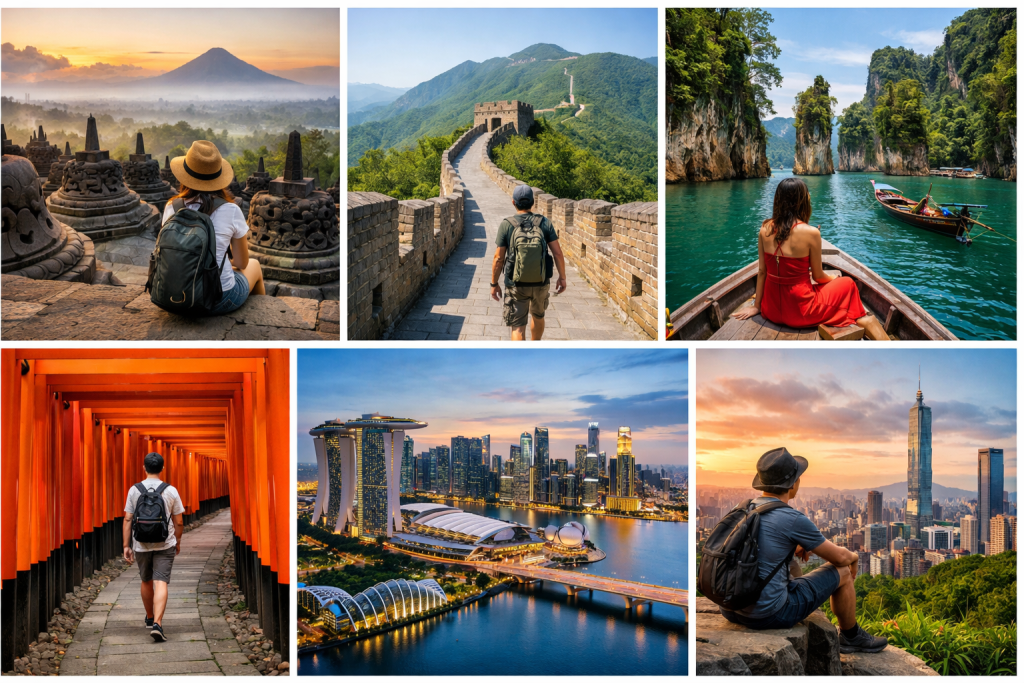
One step at a time, solo trips through Asia have grown each year lately. Reports show more than 300 million people arrived internationally in the area just before lockdowns began. Safety, low costs, along with smooth transit options pulled many there on their own. Urban hubs throughout are shifting how they support travellers going it alone.
Apps now guide how people travel. Whether picking paths or checking places to stay, phones handle most tasks. Following team updates overseas? Some turn to sites like 1xbet online for live scores and match details. When wandering alone, digital access keeps things clear. Exploration feels different when information moves with you.
Finding spots where tradition meets ease isn’t always simple – yet these places manage it without fuss. Reliable buses and trains connect neighborhoods, making solo travel smooth. Hostels here lean toward community, often sparking unplanned conversations. Streets stay alive past dusk, filled with small shops and local rhythms. Movement feels natural, never forced, thanks to layout and openness. Safety sits at a steady pace, not perfect – but fair enough for wandering eyes and slow walks.
Tokyo – order and efficiency
Safety wraps around Tokyo like a quiet habit. Among wealthy nations, few match Japan’s low crime numbers. Travelers walking alone still catch trains without fuss – signs point clearly, clocks never lie. Sleep comes easy in capsule pods or tiny guestrooms, both practical and kind to budgets.
Morning routines often lean on gadgets these days. Public hotspots run across busy zones and train hubs without cost. While sipping coffee in Shibuya, visitors check match numbers through handheld screens, occasionally bringing up 1xbet Somalia download when talking about game schedules. Still, what draws people most is tradition, food, moments of quiet order.
Bangkok – energy and accessibility
City life here keeps old ways alive alongside new buildings. Nearly forty million people visited Thailand that year before everything changed. Hostels near transit points suit those moving on their own. Food stalls bustle nonstop, serving cheap eats day after day.
Riding the BTS Skytrain moves you fast between major parts of town. In places visitors often go, signs in English show up clearly. When night falls, strolling near the river feels secure while lights and people fill the streets.
Seoul – connectivity and culture
Fast internet flows through Seoul like city blood. Top global speeds live here, tested and proven. When traveling alone, people tap phones for maps that shift as they walk. Buses roll into subways, trains glide to airports – no gaps, just flow.
Wandering through places like Hongdae or Insadong feels different – there’s a pulse that draws solo travelers in. When night comes, museums stay alive, walls speak in color, while rhythms spill out from hidden stages. Staying in budget lodgings means meeting people, not just passing by them.
Singapore – compact and secure
Out here, streets stay spotless because rules are taken seriously. Thanks to tight city planning, safety feels like second nature almost everywhere. Getting in? Flights land at Changi, which links directly to more than a hundred nations across the map.
Minutes pass fast when wandering between historic neighborhoods. One finds it easy to get around key areas thanks to the train system. Communication opens up smoothly since most people use English every day.
Hanoi – heritage and affordability
Hanoi mixes old French buildings among bustling market streets. In recent times, more travelers have come to Vietnam each year. Staying here costs less than in many nearby big cities. Wandering through food stalls pulls solo guests wanting real local flavor.
Though busy, motorbike flow moves in sync with city life. Walking routes led by locals reveal hidden stories of old districts. Quiet spots inside cafes suit long reads or screen tasks.
Bali – community and balance
Alone doesn’t always mean lonely in Bali. Millions stepped off planes there, long before borders tightened. Shared desks pop up near stretches where people stretch into silence. Connection often shows up quietly – between downward dogs or coffee spills at shared tables.
Staying put gets easier when prices stay low. Mornings might begin with drums at a ceremony, then drift into afternoons on warm sand. Routines form without effort here. Quiet moments mix well with things already planned.
Shared strengths across these cities
Even so, every spot has something useful in common. Solo explorers appreciate these places because they make life easier:
- Reliable public transport and clear signage
- Accessible accommodation for varied budgets
- High levels of personal safety
- Strong digital infrastructure
When things stay clear, guesses drop away – adventures grow easier. Moving alone works best when steps are few.
Asia fits solo travel
Old ways mix with new tools in many Asian urban centers. Moving around gets easier because of quick trains, well-run air hubs, one thing – digital wallets. Travel groups note that more people now book trips alone rather than in crowds. Recent numbers show single reservations rising at a sharper pace compared to shared plans.
Out here, culture colors everything. Not just sights, but sounds of temples, market chatter, festival rhythms – they fill the gaps between places on a map. Travelers who go alone tend to follow curiosity instead of schedules. Their routes twist through hobbies, passions, quiet obsessions.
Out here, huge cities pop up just minutes from ancient temples and green hills. Moving slow? Perfect – different worlds unfold without rushing. Contrast stitches the region together, one quiet village or tall building at a time.
Travel here mixes routine with moments that come out of nowhere. Systems for getting around hold things steady, yet alleyways bring what you cannot predict. Places like these show independence sitting beside tradition, roads helping both happen without fuss.
