


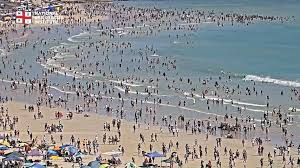
When you see a volunteer surf lifesaver sprint across the sand and dive into the water, the moment feels immediate and dramatic. It looks like instinct and bravery take over in a split second. What most people do not see is the preparation that made that response possible.
Every rescue is supported by hours of training, planning, and coordination long before anyone enters the water. Understanding how your donation helps volunteer surf lifesavers provides insight into the systems that operate quietly behind the scenes. A rescue may last minutes, yet the groundwork behind it often spans months or years.
Here is what typically happens before that decisive moment on the shoreline.
Ongoing training and drills
Lifesaving skills must be practised regularly. Volunteers participate in physical conditioning, rescue simulations, first aid refreshers, and communication exercises. These sessions ensure that responses become automatic under pressure.
Training also covers teamwork. Coordinated action between multiple responders increases efficiency and safety. When a rescue occurs, each person knows their role because it has been rehearsed repeatedly.
Equipment checks and maintenance
Rescue boards, inflatable rescue boats, radios, and medical kits require constant inspection. Saltwater, sun exposure, and heavy use create wear that must be addressed promptly.
Before patrols begin, equipment is tested and prepared. Proper maintenance prevents failure during critical moments. Reliable tools support confident decision making.
Risk assessment and monitoring
Lifesavers do more than react. They assess conditions continuously. Weather patterns, tide movements, and crowd behaviour are monitored throughout the day.
Preventative measures often reduce the need for dramatic rescues. Adjusting flagged areas, issuing warnings, and educating beachgoers about hazards all contribute to safety.
Communication systems and coordination
Clear communication supports effective response. Patrol teams use radios and structured reporting to share updates quickly. In more serious incidents, coordination with emergency services becomes essential.
Behind the scenes, communication protocols are established and practised. That structure prevents confusion when seconds matter.
Administrative and logistical support
Volunteer patrols require scheduling, record keeping, insurance management, and community engagement. Organisers coordinate rosters to ensure coverage during peak times.
These operational details may seem invisible, yet they are critical. Without organisation and planning, even the most skilled volunteers would struggle to respond effectively.
A rescue at the beach represents the visible tip of a much larger system. Preparation, training, maintenance, and coordination form the foundation that allows lifesavers to act quickly and decisively. When people support these services, they contribute to every stage of that preparation. The next time you see a rescue unfold, remember that the moment was built on countless hours of unseen work dedicated to protecting lives.
