


Financial markets have entered one of their periodic waiting games. With inflation cooling unevenly and growth data sending mixed signals, investors are parsing every speech, minute and data release from the world’s major central banks for clues about the path of interest rates. The stakes are high: borrowing costs shape everything from mortgage payments to the valuations of the largest technology companies.
What to watch in the coming weeks
The calendar is crowded: inflation prints, labour market reports and the meetings themselves. Experienced watchers focus less on the headline decision — usually well telegraphed — and more on forecasts, voting splits and the press conference tone. A unanimous hold with hawkish language can tighten conditions more than a split cut. For readers trying to time big financial decisions, the wisest approach is to plan for a range of outcomes rather than betting on a single meeting.
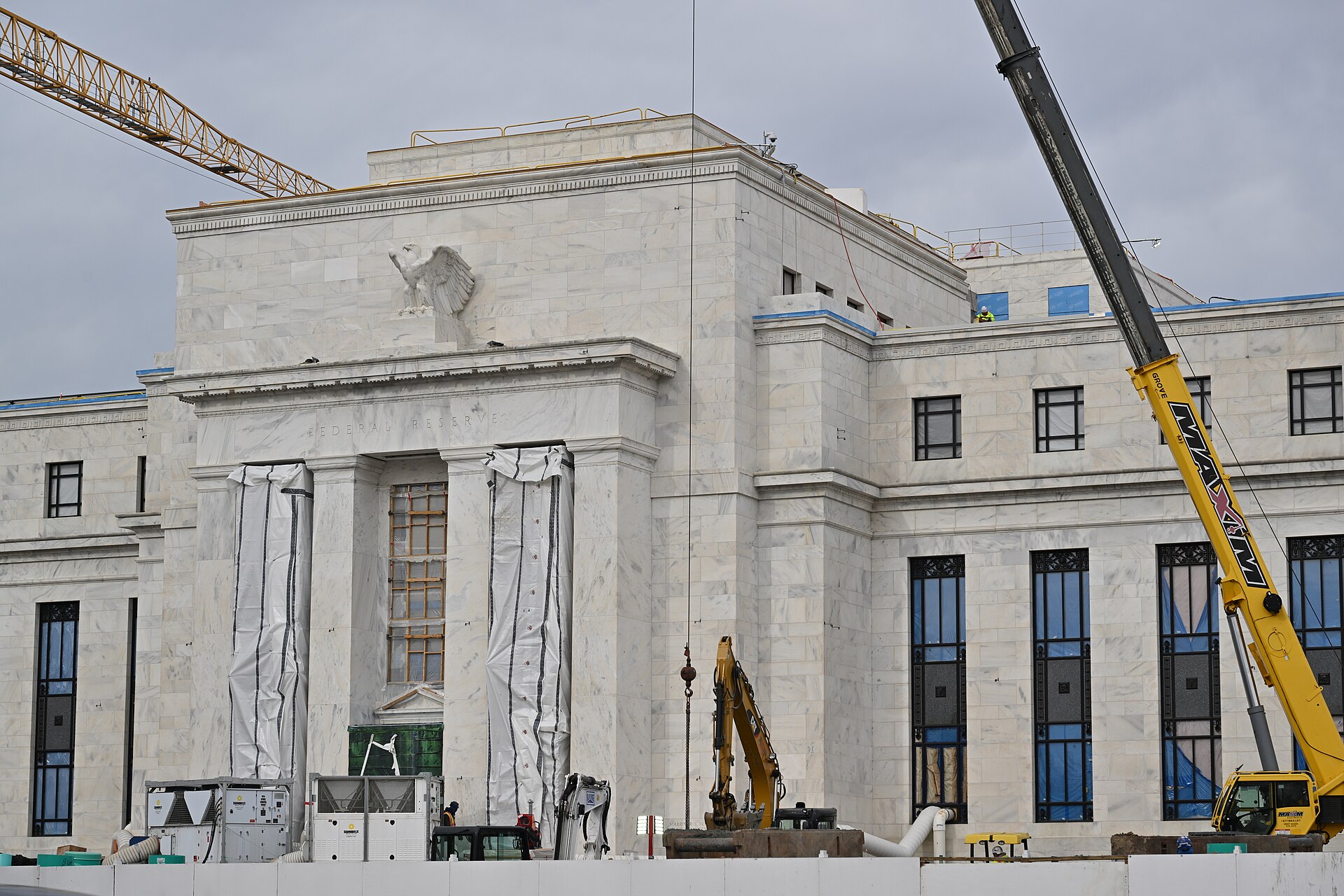
The policy statements and meeting calendars behind this analysis are published by the Federal Reserve, while market reaction is tracked throughout the day by Reuters Markets.
The balancing act behind every decision
Central bankers are paid to worry in two directions at once. Cut rates too early and inflation can reignite, undoing years of painful tightening; wait too long and high borrowing costs quietly strangle investment, hiring and housebuilding. The data rarely points one way. Inflation may be falling while wages still grow briskly, or unemployment may tick up while consumer spending holds firm. Committees split along exactly these lines, which is why markets now trade on the wording of statements as much as on the decisions themselves.
How to read numbers like these
Financial stories compress distributions into single figures — an index level, a growth rate, a payback period — and the compression hides the spread that matters to any individual household or firm. Before acting on a trend, translate it: what does it mean at your income, your borrowing, your time horizon? The readers who fare best in volatile periods are rarely those with the boldest forecasts; they are the ones whose plans still function when the forecast is wrong.
What this means for borrowers and savers
For households, the transmission is direct. Fixed-rate mortgage deals are priced off expected future rates, so they often move weeks before any official decision. Savers face the mirror image: the generous deposit rates of the tightening era fade quickly once cuts begin. Financial advisers generally suggest the same discipline in both directions — avoid locking in long-term commitments at the peak of uncertainty, keep an emergency buffer, and treat dramatic market reactions to single speeches with scepticism.
For more coverage of the stories shaping the day, visit our home page and the latest in business.
Why bond markets matter more than headlines
The real conversation between central banks and markets happens in bond yields. When investors believe cuts are coming, long-term yields fall, easing financial conditions before any policymaker acts — sometimes so much that it changes the decision itself. This feedback loop explains the theatre of modern monetary policy: carefully vague language, “data-dependent” mantras, and officials briefing against market exuberance whenever pricing runs too far ahead of the evidence.
The global ripple effects
No major central bank moves in isolation. When the largest economies hold rates high, capital flows toward their currencies and emerging markets feel the squeeze through weaker exchange rates and pricier dollar debt. Conversely, a synchronised easing cycle can lift everything from commodity prices to small-cap stocks. For ordinary investors with pension funds spread across regions, the practical lesson is diversification: the rate cycle never turns everywhere at once.
The longer arc
Zoom out and most financial headlines are episodes in longer stories: the cost of money adjusting to a new era, technology repricing whole industries, demographics quietly rewriting demand. Keeping the longer arc in view is not an argument for ignoring the present — bills are paid in the present — but for sizing reactions proportionately. The expensive mistakes in personal and business finance usually come from treating a cycle as a verdict, or a verdict as a cycle.
Monetary policy moves slowly until it suddenly does not. The coming decisions will shape borrowing costs well into next year, and the households and businesses that fare best will be those that prepared for several scenarios instead of predicting one.
